
The series
Dutch Masters: how Amsterdam's coffeeshops made the world's classic strains
By Mister Haze. Published .

How did Amsterdam's coffeeshop culture and its classic strains begin?
It began in the 1970s, when the Netherlands separated cannabis from hard drugs in law and the first coffeeshops started selling small amounts under a policy of tolerance. In the 1980s Amsterdam's seed companies started breeding for the indoor grow, and the strains that came out of that, such as Skunk #1, Northern Lights, Haze and White Widow, spread from the coffeeshop menus to the rest of the world.
Ask anyone who has been smoking for twenty years where the classics come from, and the answers keep landing in the same city. Skunk. Northern Lights. Haze. White Widow. Jack Herer. Super Silver Haze. Their names are on menus all over the world, and an astonishing number of those plants were crossed, stabilised or simply made famous in a few square kilometres of Amsterdam.
It did not happen because cannabis was legal. It wasn't, and it still isn't. It happened because of a very Dutch compromise: never allowed, always tolerated. The shop window was fine, the back room was a crime, and a whole generation of breeders had to work out how to make the best possible plant in the smallest possible space.
This is that story, in order. One promise before we start: where the sources agree we say so, and where they argue we show you the argument. They argue a lot, because for most of this history nobody had a good reason to write anything down. Every strain below links to its own page in the Amsterdam Menu.
The story in dates
- 1972–75The first shops that sell from a counter, with a menu, open in Amsterdam, among them Mellow Yellow and Rusland and The Bulldog. Sources disagree on which was first and on the years.
- 1976The Opium Act is revised and, according to academic accounts, splits drugs into two lists, with cannabis on list II.
- 1979One academic account dates the extension of tolerance to coffeeshop sales here. Approximate.
- 1984The Seed Bank, run by Nevil Schoenmakers, is reported to start. Retold, not documented.
- 1985Sensi Seeds is founded by Ben Dronkers.
- 1988The first High Times Cannabis Cup is held in Amsterdam.
- 1994Green House Seed Company is founded by Arjan Roskam and Scott Blakey.
- 2013Coffeeshop entry is restricted by law to residents of the Netherlands. The government says whether that is enforced differs per municipality.
Never allowed, always tolerated
Rules on importing and exporting cannabis in the Netherlands date to 1928, and according to Wikipedia's overview possession was first criminalised in 1953. The turn came with the Opium Act, which sorts drugs onto two lists. The Dutch parliament describes list I as substances with an unacceptable risk and list II as substances with a smaller one. Cannabis is on list II. Academic accounts date that split to a revision in 1976.
The logic was beautifully practical: if you want a joint, you should not have to walk past a dealer who also sells heroin. Keep the markets apart and you keep the people apart.
Selling stayed illegal. What changed was whether anybody got prosecuted. Prosecutors were told to look the other way on small sales under certain conditions. One academic account says that was extended to coffeeshop sales from 1979; other sources vary a little, so treat the year as a ballpark.
The conditions are now known as the AHOJ-G criteria, and the Dutch government lists them plainly: no nuisance, no hard drugs, no sales to minors, no advertising, and no more than 5 grams per person per transaction. A shop may keep 500 grams in stock, no more. And each municipality decides for itself whether it allows coffeeshops at all.
A new kind of room
Ask who had the first coffeeshop and you will start a fight. Nobody agrees, and the argument is half the charm. It was not one grand opening. It was a few years in the early 1970s when several people had the same idea. As our walk tells it, house dealers at youth centres like Paradiso came first, and then people bet on being visible instead of hidden.
The names that come up most are Mellow Yellow, started in a squatted former bakery (1972 according to Wikipedia, 1973 according to its founder Wernard Bruining), and Rusland and The Bulldog, which Leafly dates to 1975. The Bulldog's Henk de Vries later opened a coffeeshop in the former police station on the Leidseplein. That was in 1985, according to our walk, and the old cells are still there. People now sit in them for fun. Few buildings show the irony of toleration so literally.
What these places shared was not only the product. It was the room: somewhere to sit, with a menu, music and a counter, that was not a bar and not a street corner. That idea, more than any single shop or strain, is what the world copied.
The back door problem
There was a catch, and it is the reason this series exists. The front door was tolerated. The back door was not. Shops could sell, but growing, transporting and supplying were still crimes. The Dutch call it the back door problem, and it meant that everyone who wanted good weed on the menu had to solve it quietly.
A common explanation for what happened next is that growers went indoors, small and controlled, where a plant that finishes fast, stays short and gives a steady yield is worth far more than a tall tropical one that needs a long season. It is an explanation, not a documented decision. It does fit what the Dutch breeders ended up making.
Seeds as souvenirs
In the mid-1980s a handful of people turned the problem into a business. The Seed Bank, run by Nevil Schoenmakers, is said to have started around 1984. Sensi Seeds followed in 1985, founded by Ben Dronkers. According to the Hash Marihuana & Hemp Museum, which Dronkers also founded, seeds could at the time be sold as souvenirs, which is a lovely sentence to write about a legal loophole. Green House Seed Company arrived in 1994, founded by Arjan Roskam and Scott Blakey.
The raw material came from abroad. A Californian breeder known as Sam the Skunkman, David Watson, is widely credited with carrying American genetics to the Netherlands, among them a skunk hybrid and a Haze. When he came is anybody's guess: accounts say 1976, 1984 or 1985. Nevil Schoenmakers is reported to have crossed those lines with others, Northern Lights among them, and so to have made the first Dutch crosses. Much of this rests on retellings rather than on documents, which is exactly why we keep saying 'reported'.
The Cup: a trade fair with smoke
In November 1988 the magazine High Times held the first Cannabis Cup in Amsterdam, started by its editor Steven Hager. For the seed companies and the coffeeshops it was a shop window. A win was good publicity, for the strain and for the shop that grew it.
The list of overall winners on Wikipedia reads like the table of contents of this series: Skunk #1 in 1988, a Northern Lights and Haze cross and Northern Lights #5 in the two years after, Jack Herer in 1994, White Widow in 1995, Super Silver Haze in 1998 and 1999, Amnesia Haze in 2004 and Super Lemon Haze in 2008 and 2009. Handle that list with care. It has no citations for its early years, we could not find a second source that confirms it, and breeders' own pages sometimes give different wins. Use it as a guide to who was famous when, not as a record.
The Dutch Masters, in order
These are the plants that Amsterdam bred, stabilised or made famous, roughly in the order they arrived. Each one links to its page in the Amsterdam Menu, where you can see which shops list it.
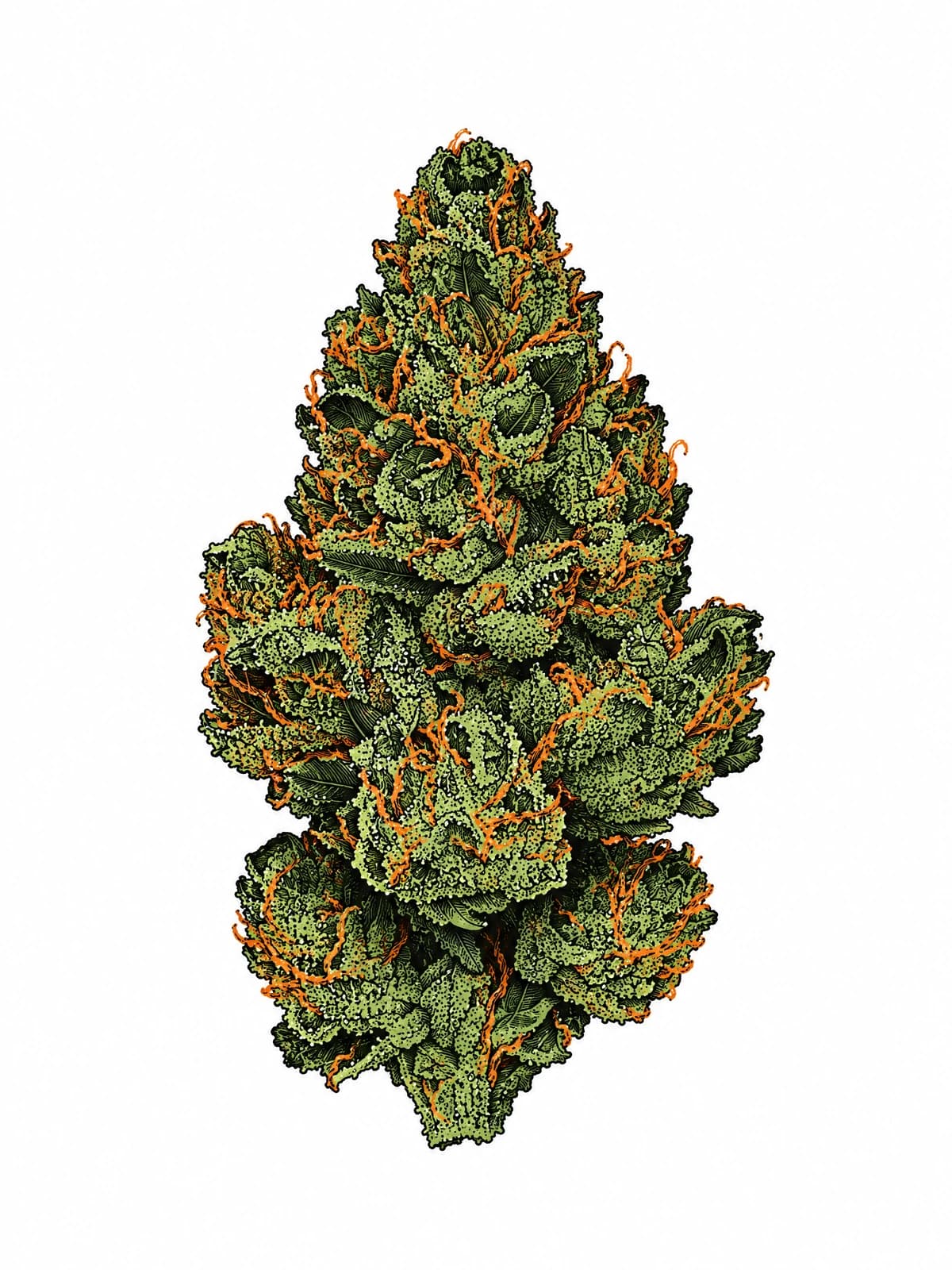
No. 01
Skunk #1
Hybrid of landrace lines
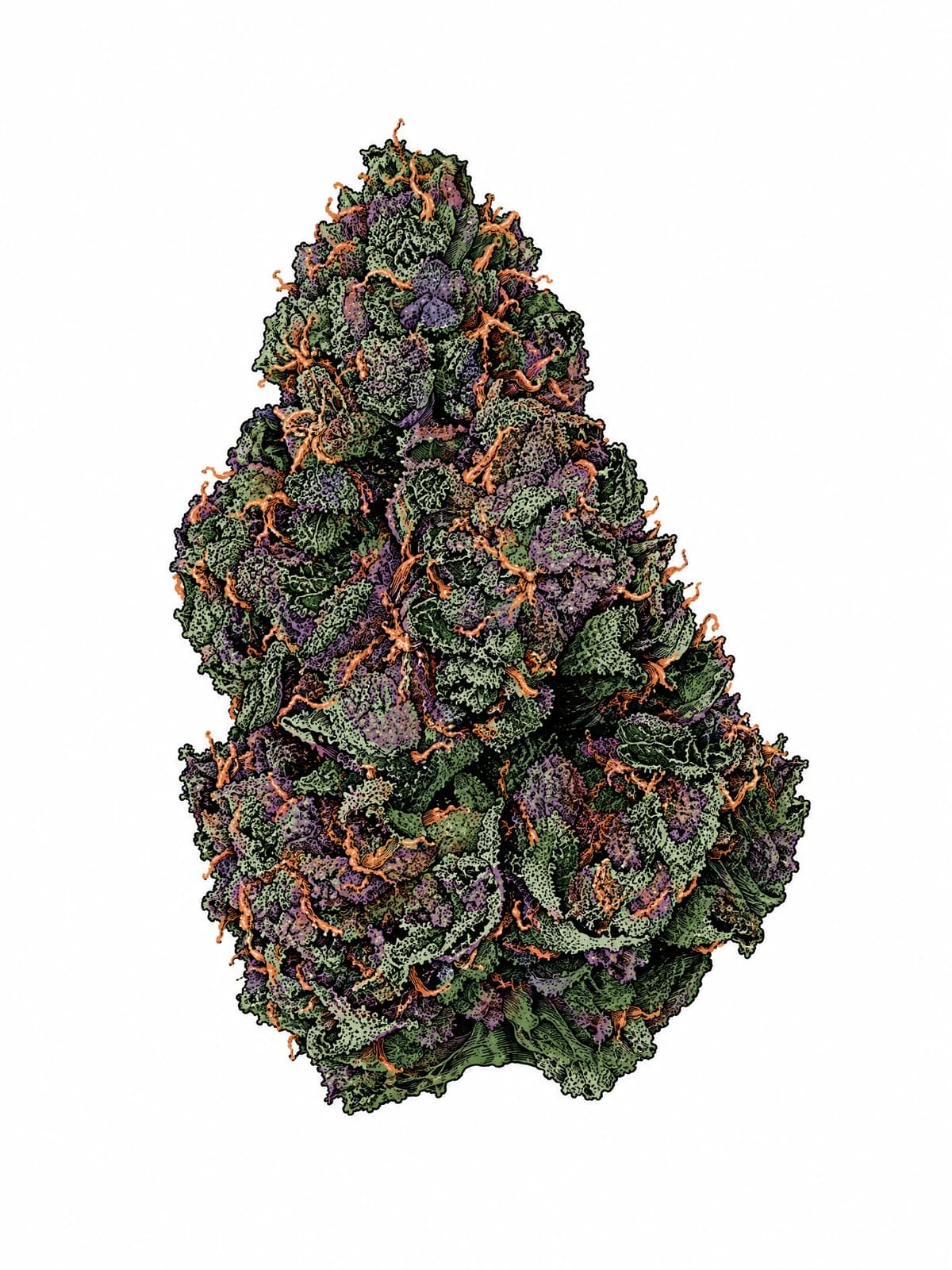
No. 02
Northern Lights
Indica-leaning, about 90% indica by Sensi's count
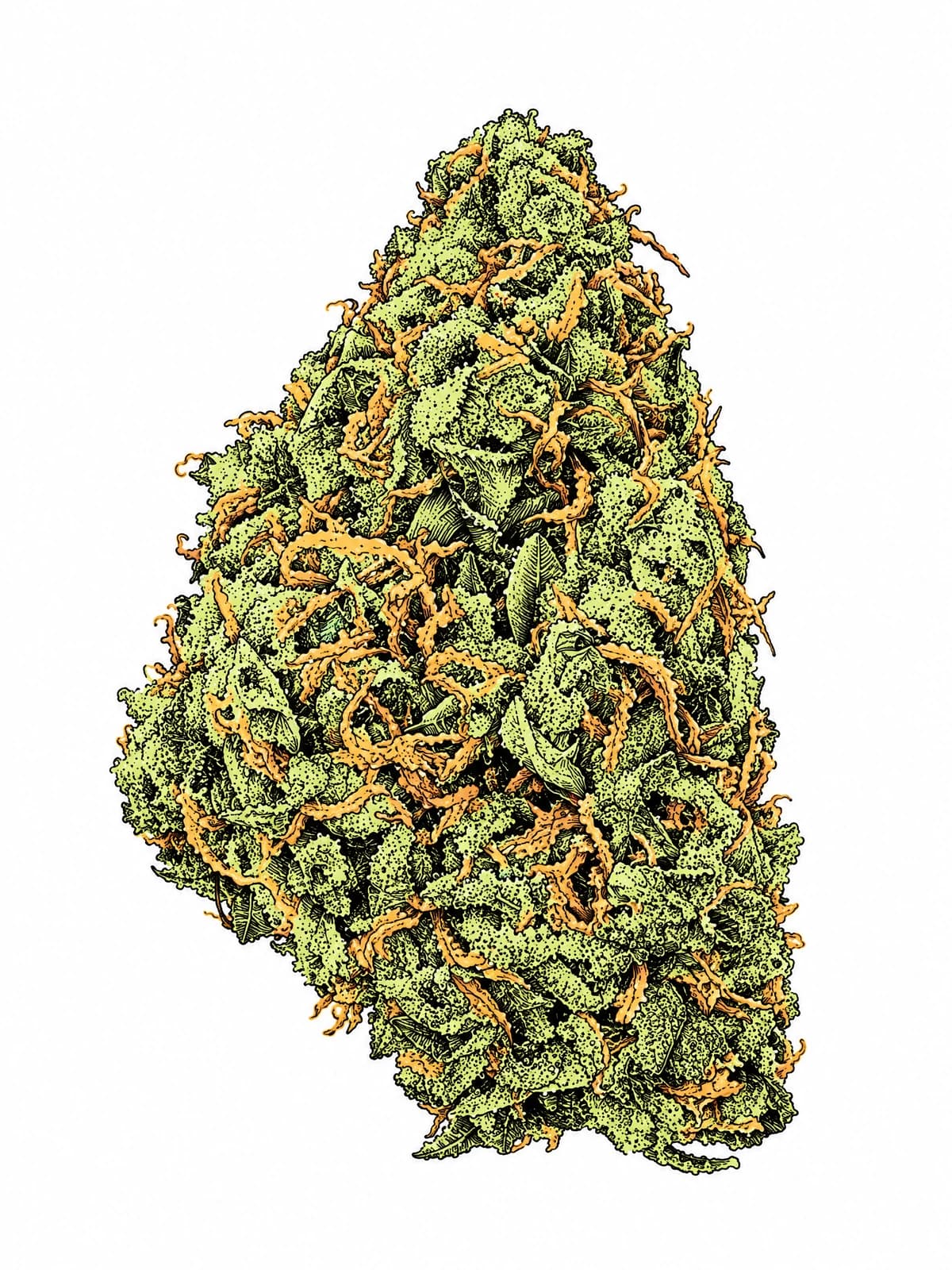
No. 03
Neville's Haze
Nevil Schoenmakers, The Seed Bank (reported)
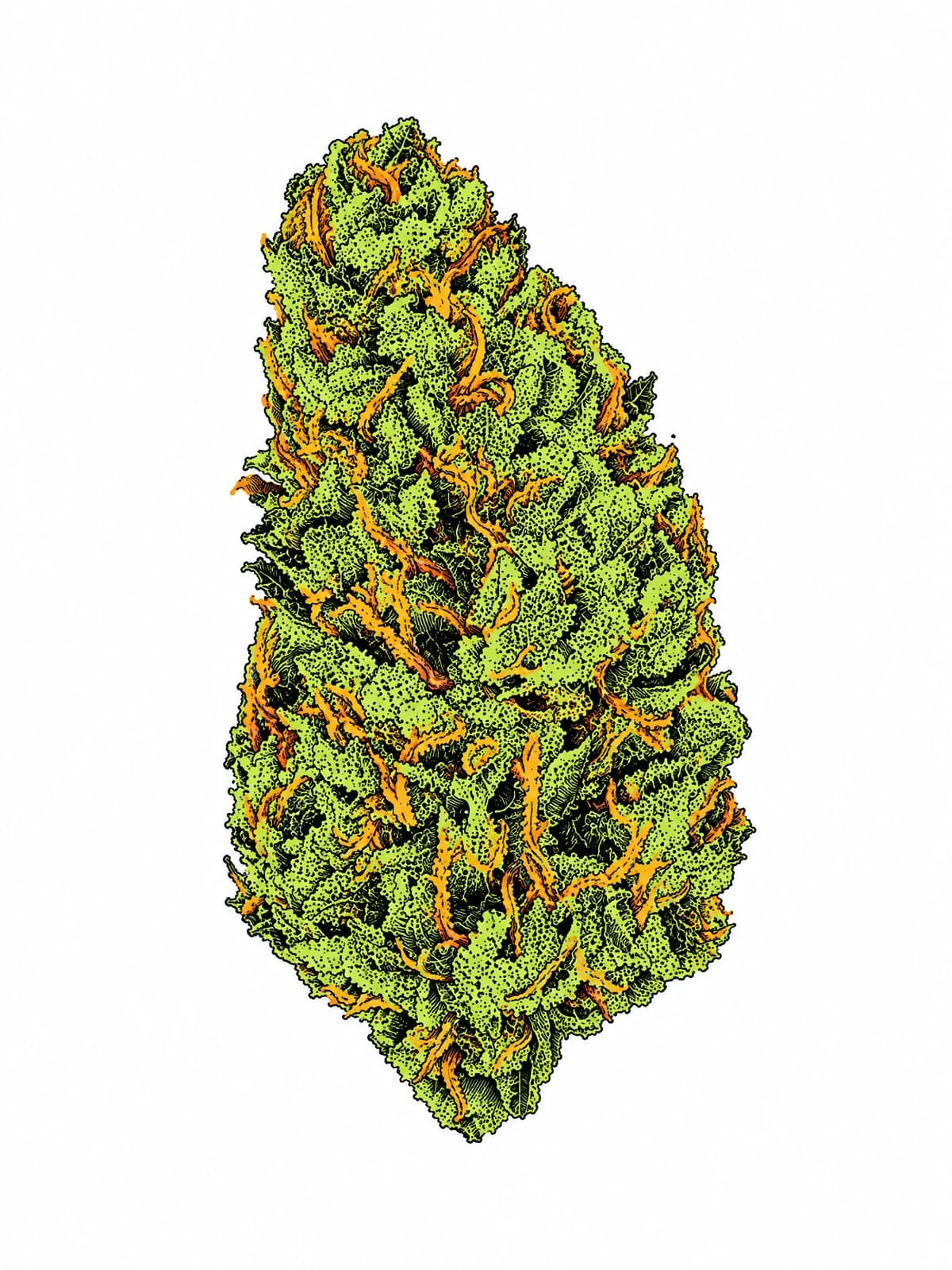
No. 04
Jack Herer
Sensi Seeds
No. 05
White Widow
Green House Seed Company, Amsterdam
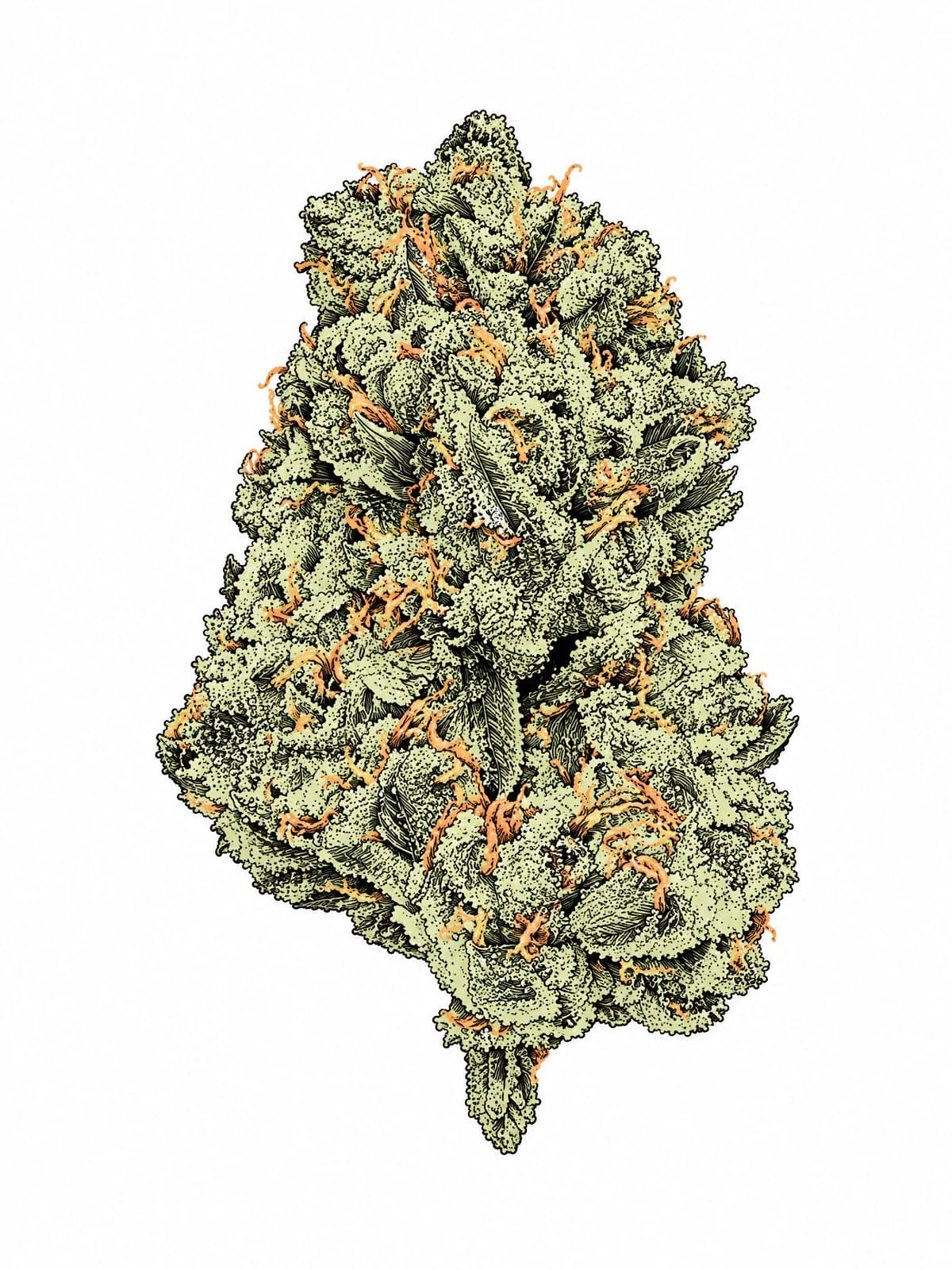
No. 06
AK-47
Serious Seeds (Simon)
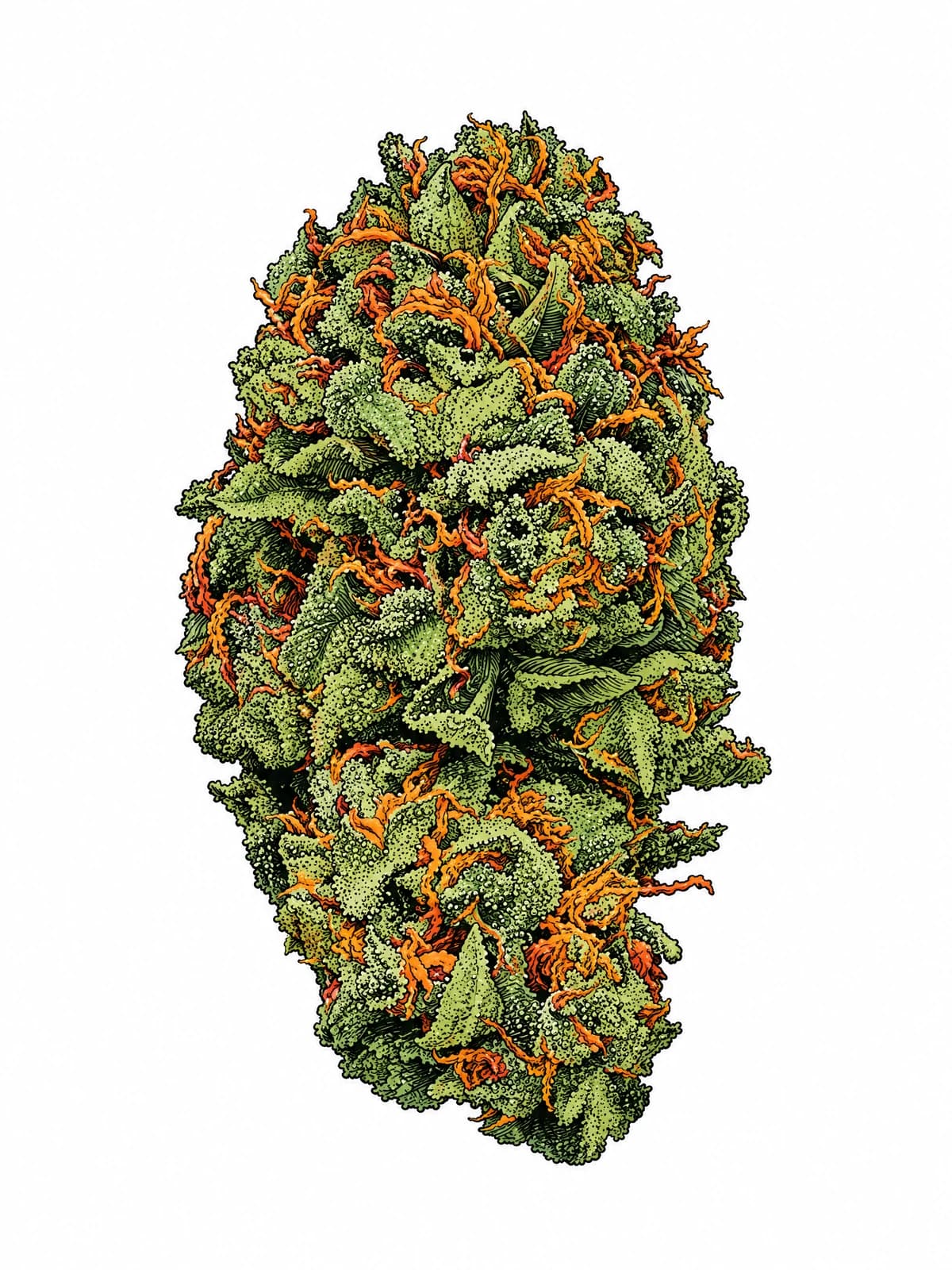
No. 07
Super Silver Haze
Green House Seed Company (Arjan Roskam)
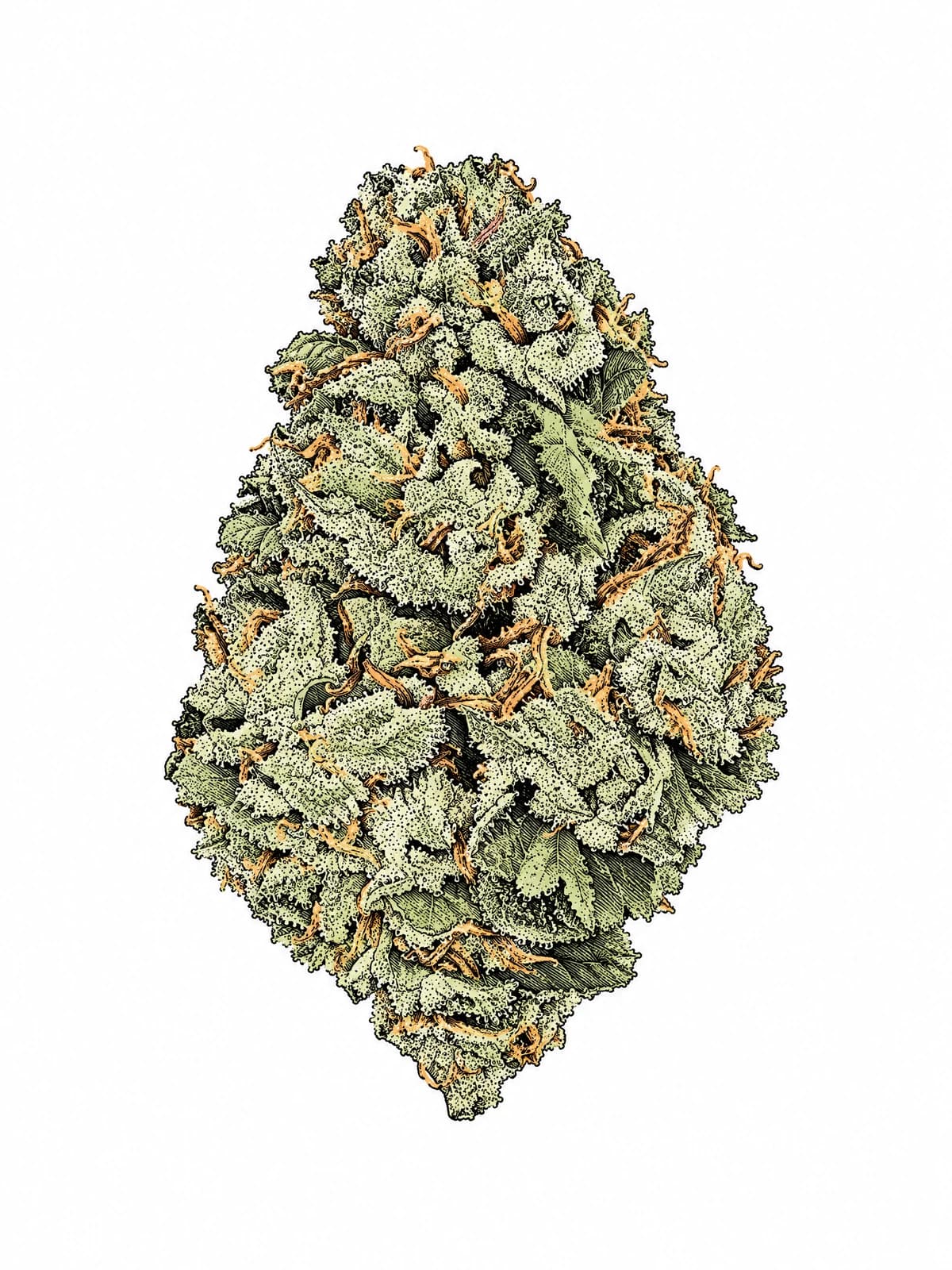
No. 08
Amnesia Haze
Soma, Soma's Sacred Seeds
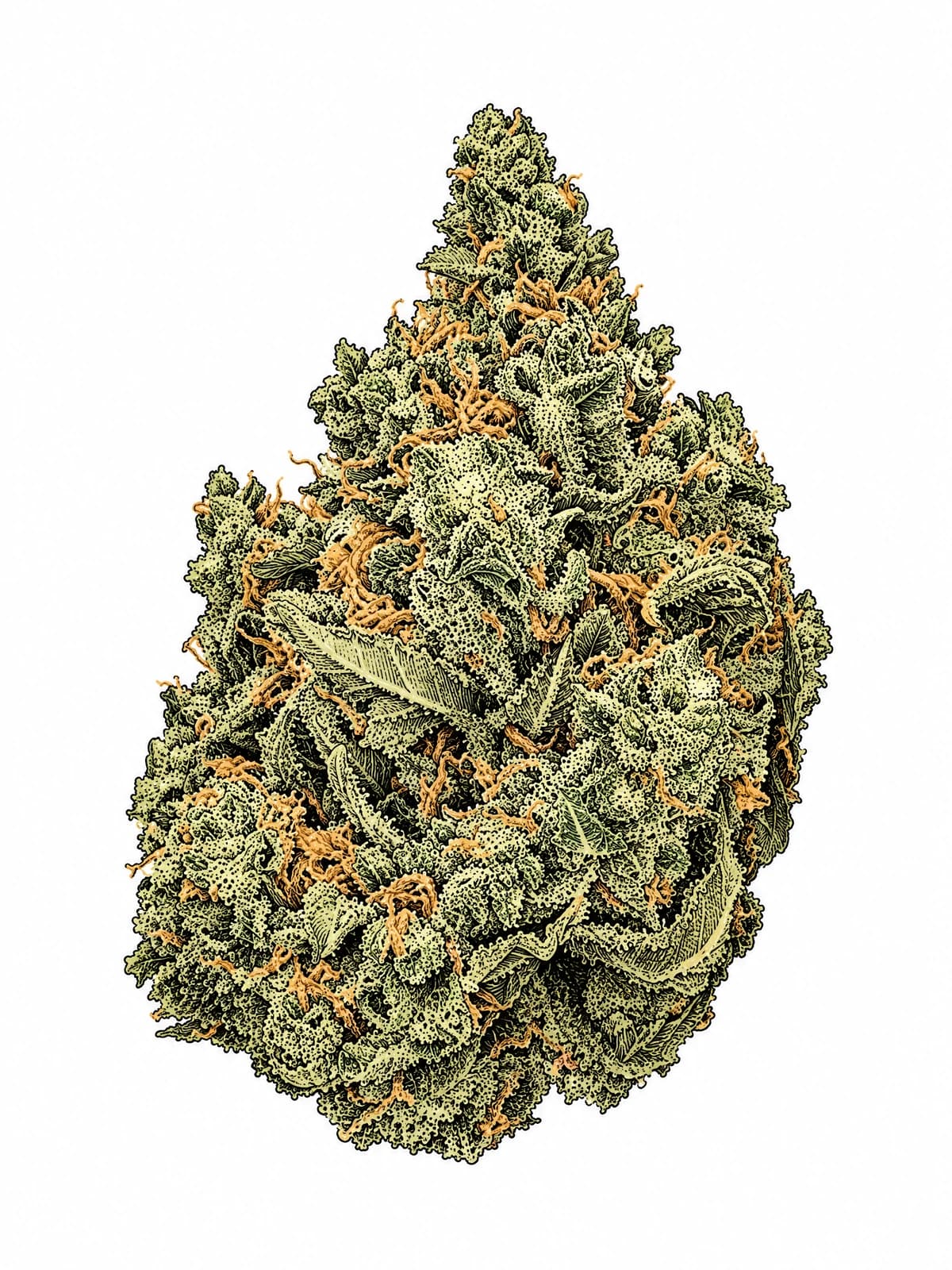
No. 09
Super Lemon Haze
Green House Seed Company
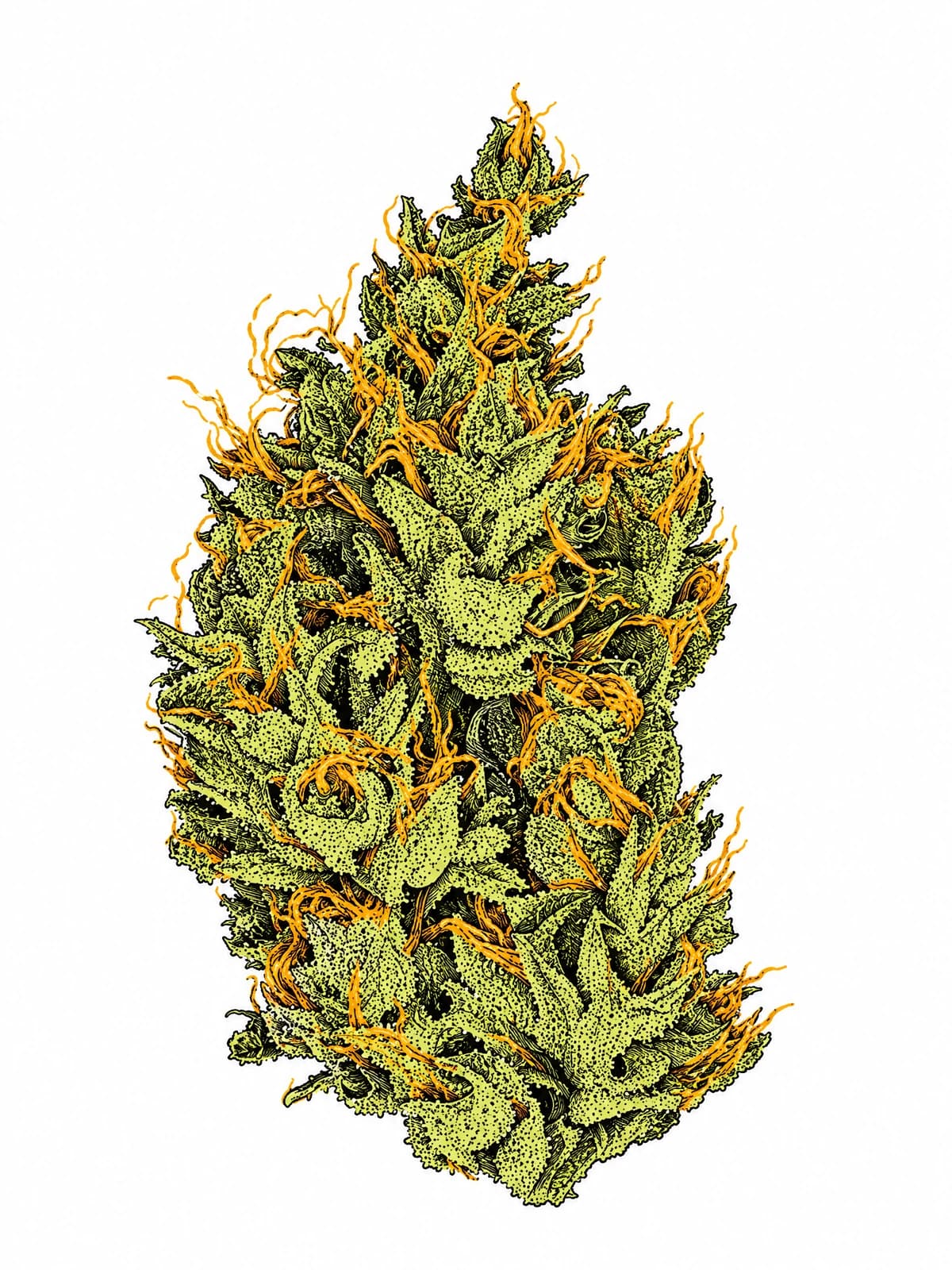
No. 10
Super Skunk
Sensi Seeds
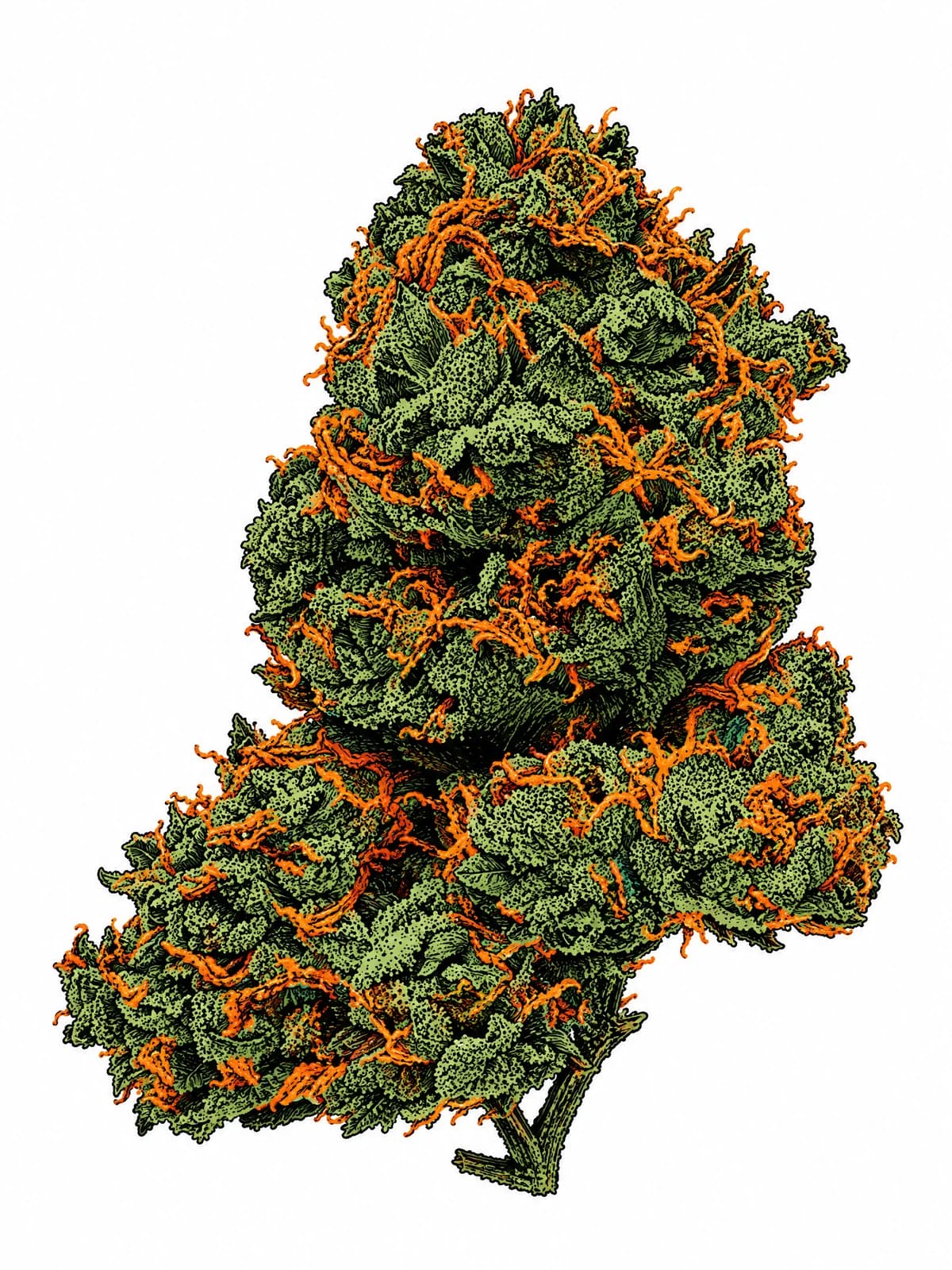
No. 11
Cheese
No single breeder; a UK clone selection
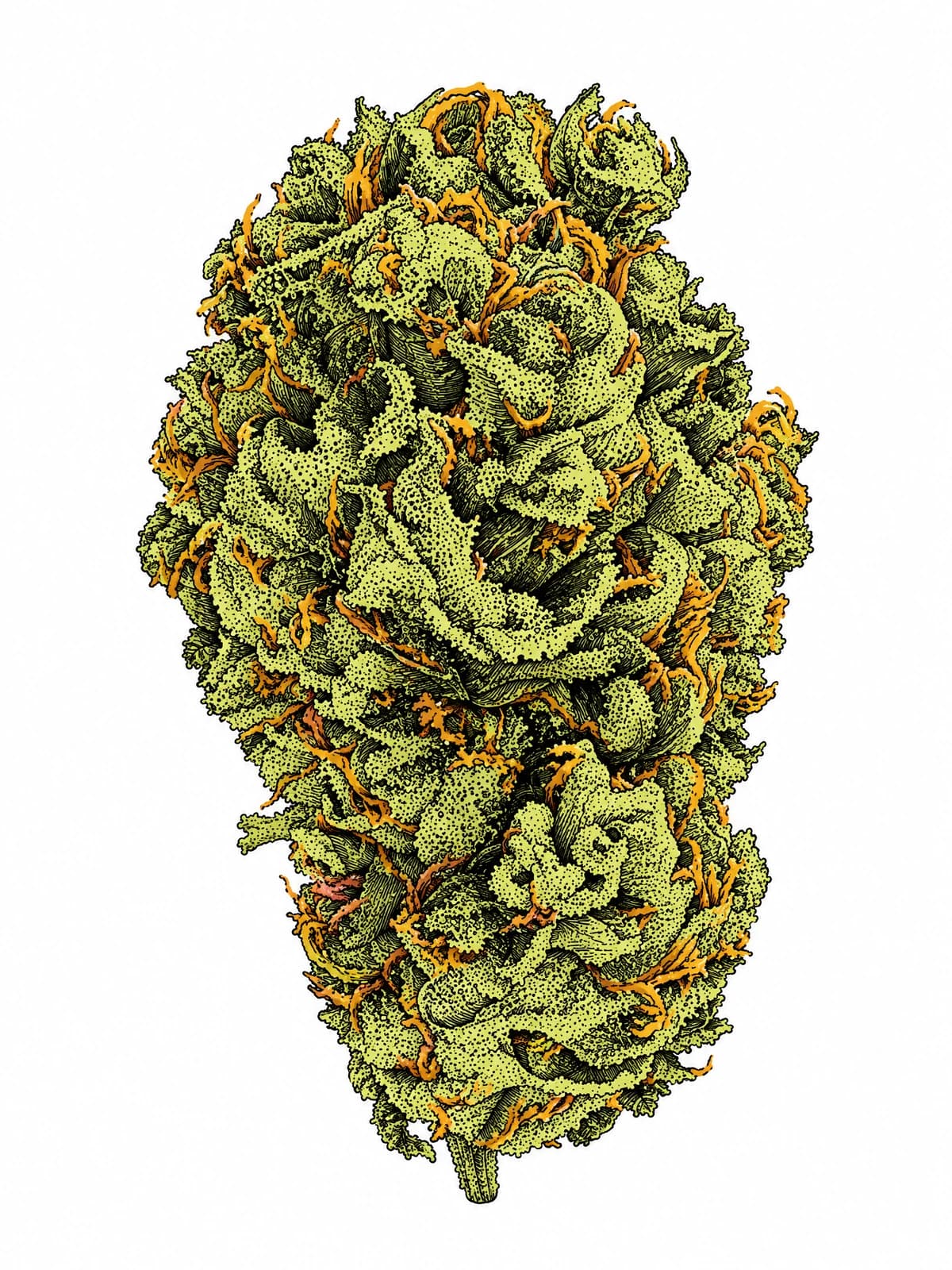
No. 12
Power Plant
Dutch Passion
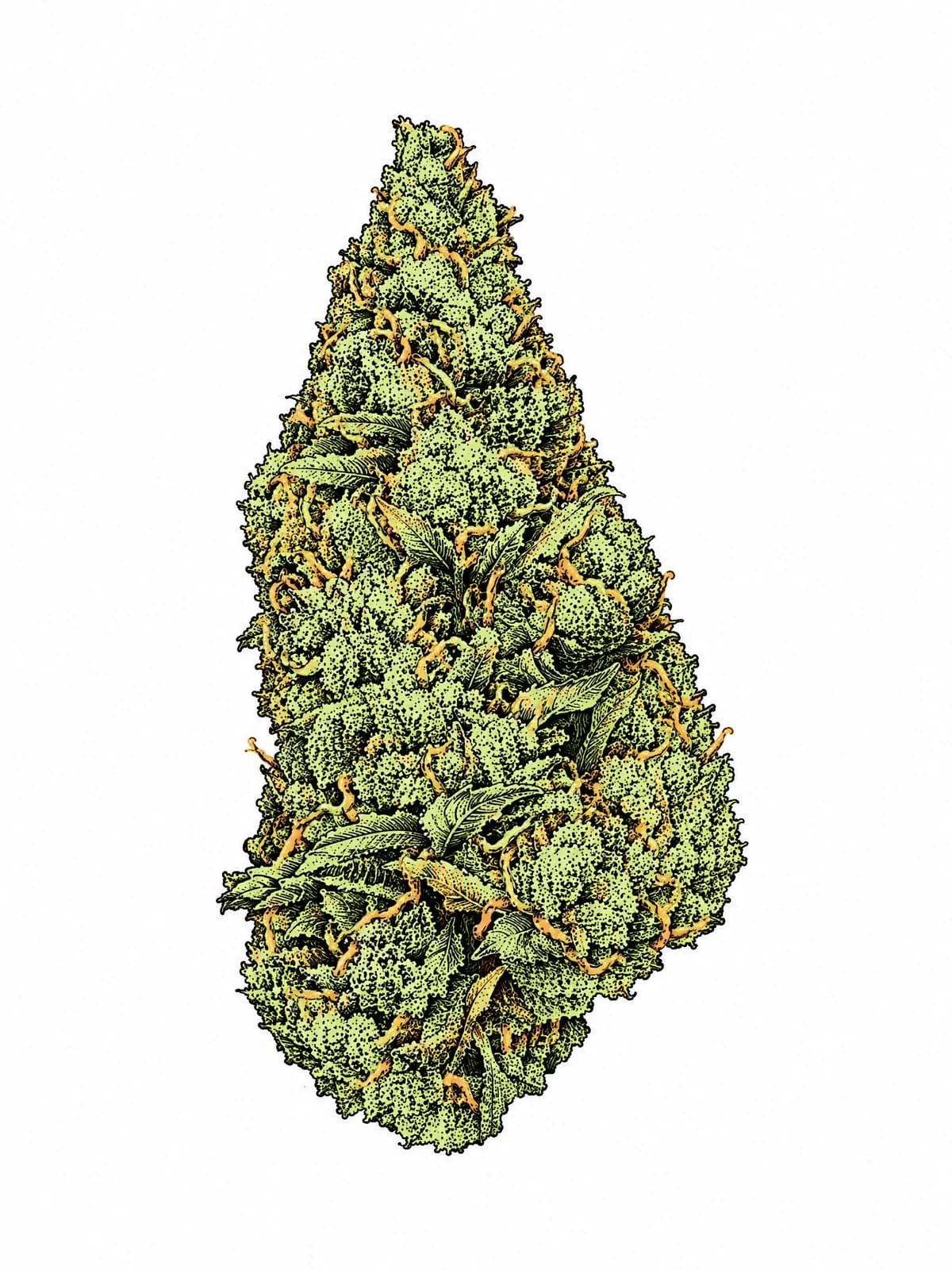
No. 13
Orange Bud
Dutch Passion (no individual named)
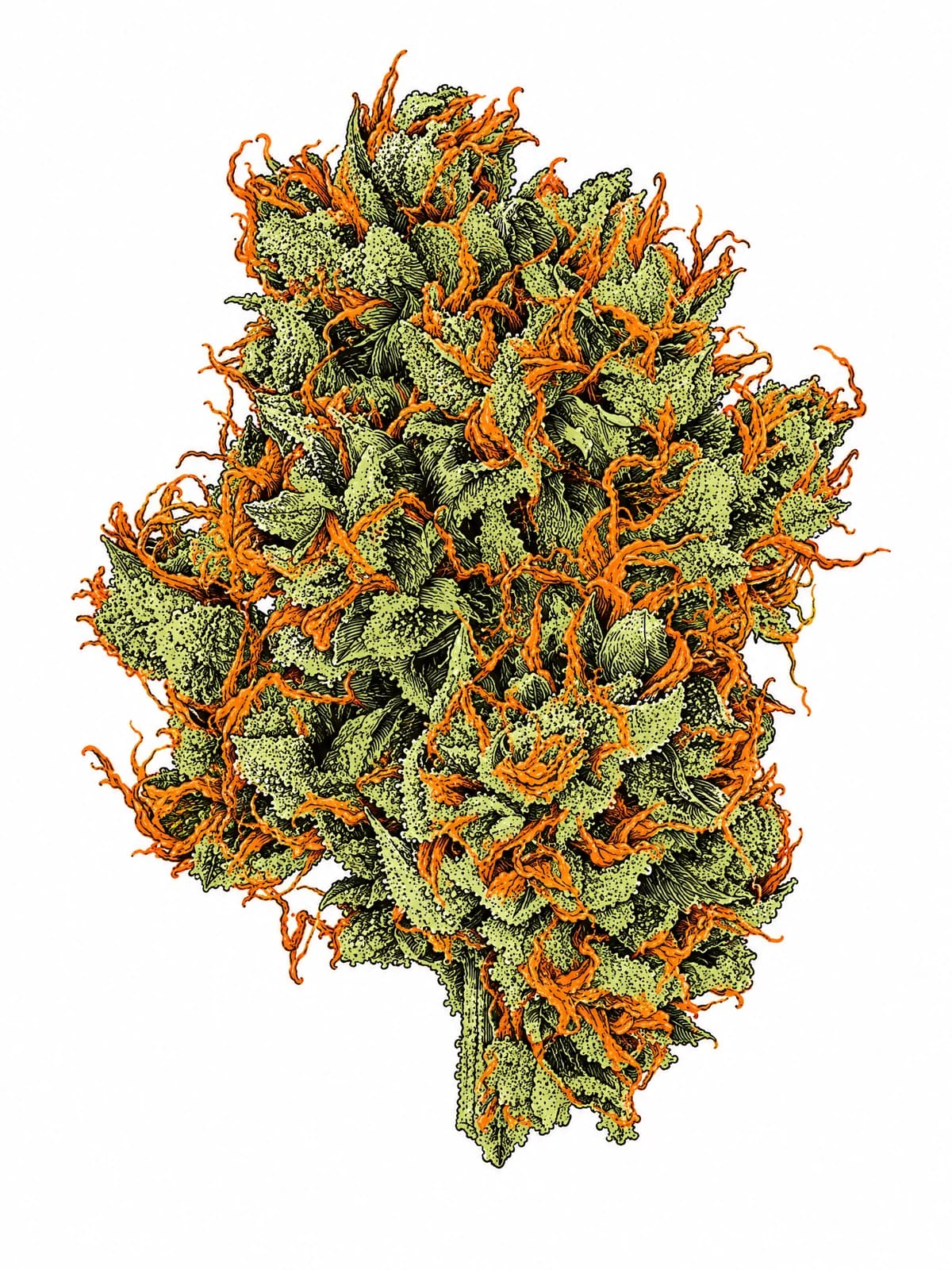
A name is not a strain
One warning before you start reading. Studies of commercial cannabis have found that strain names often do not match the genetics behind them: two plants with the same name can be quite different, and two with different names can be close relatives. A menu that says 'Amnesia' or 'Silver Haze' may mean the breeder's original, a later cross or something else under the same label. The strain pages say what we know about the original, and what we do not know about what is in the jar.
What this is and is not
This series is history and information. It is not a guide to buying seeds, to growing, or to what any strain will do for you. Cannabis laws differ per country, and in the Netherlands the shops are tolerated rather than legal. If you want to know what to order today, the Amsterdam Menu lists what the shops we have checked are selling.
Questions people ask
- Is weed legal in Amsterdam?
- Not strictly. Cannabis is illegal in the Netherlands but tolerated: prosecutors do not pursue small-scale sales from licensed coffeeshops that follow the AHOJ-G criteria, including no more than 5 grams per person per transaction. Growing and supplying the shops is still illegal.
- Which was the first coffeeshop in Amsterdam?
- Several places claim it. Mellow Yellow, Rusland and The Bulldog are the names that come up most, from 1972 to about 1975, and sources disagree on the order and the years. Before them, house dealers worked from youth centres such as Paradiso. We do not crown one.
- Why are so many famous strains Dutch?
- From the mid-1980s, seed companies in Amsterdam such as The Seed Bank, Sensi Seeds and later Green House bred American, Asian and African plants into crosses that suit the indoor grow. The Cannabis Cup, held in Amsterdam from 1988, gave them a shop window.
- What is the Cannabis Cup?
- A competition started by the magazine High Times, first held in Amsterdam in November 1988. Coffeeshops and seed companies enter strains, and a panel and the public judge them. The early winners list on Wikipedia has no citations, so we use it as a guide, not a record.
- Does a strain name tell me what I am buying?
- Not reliably. Studies of commercial cannabis have found that names often do not match the genetics, so a menu line shows what the shop calls it. Asking the budtender where the seed or cut came from is a fair question.
Sources (11)
+−
We read each page one at a time and wrote this in our own words. Tier 1 is the breeder or an official body speaking about its own product or rule; tier 3 is an encyclopedia, database or magazine. Where a tier 3 page is the only source, we say so.
- Wikipedia: Mellow Yellow (coffeeshop)
Encyclopedia, tier 3. Gives 1972; other sources differ.
- High Times: The High Times Interview: Dutch Masters
Interview; Bruining says 1973. A primary voice, years after the fact.
- Leafly: The history of Dutch cannabis coffeeshops
Cannabis news site, tier 3. Dates Rusland and The Bulldog to 1975.
- Government of the Netherlands: Toleration policy on soft drugs and coffeeshops
Official. The AHOJ-G criteria, the 5 gram limit and the 500 gram stock.
- Dutch parliament: Opium Act revision (Kamerstuk 34165)
Official. Describes the two lists and where cannabis sits; the 1976 date comes from academic accounts, not from this document.
- Wikipedia: Cannabis in the Netherlands
Encyclopedia, tier 3. Used for the general outline; some years are not given.
- Wikipedia: Nevil Schoenmakers
Encyclopedia, tier 3. The seed transfer from Sam the Skunkman is flagged there as needing a citation.
- Wikipedia: Sam the Skunkman
Encyclopedia, tier 3. Dates of his arrival in the Netherlands differ across sources.
- Wikipedia: Arjan Roskam
Encyclopedia, tier 3. Green House's founding.
- Hash Marihuana & Hemp Museum: Sensi Seeds Seedbank
Museum founded by Ben Dronkers, so not independent. Founding in 1985; seeds sold as souvenirs.
- Wikipedia: Cannabis Cup
Encyclopedia, tier 3. The list of overall winners has no citations for its early years.