
Explained
Terpenes: what gives a strain its smell
By Mister Haze. Published .
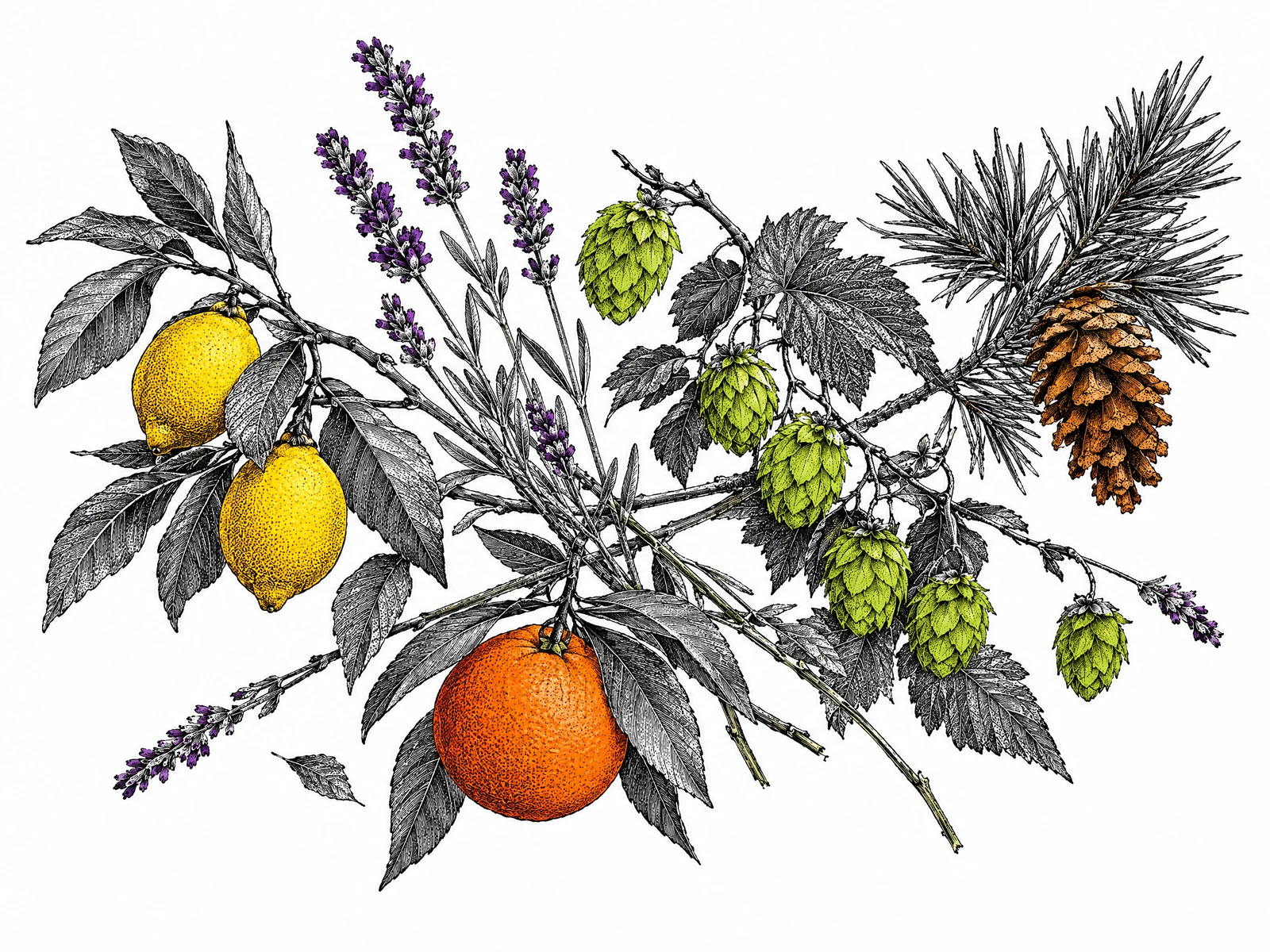
What are terpenes in cannabis?
Terpenes are aromatic compounds in the plant's resin that give a strain its smell and much of its flavour. The same compounds make lemon peel smell of citrus and pine needles smell of pine. How much they shape how a strain feels is still being studied, so we describe the smell and leave out the promises.
Where the smell comes from
Terpenes are made by plants, conifers above all, and they are why a lemon peel, a pine forest, a handful of hops and a lavender field smell the way they do. The cannabis plant makes dozens of them, in the same sticky resin glands that hold its cannabinoids. Those glands are the crystals you see on a flower.
For a plant, terpenes do work: they help against pests and disease and they attract the insects it wants. For you, standing at a counter, they are the nose of the strain.
The usual suspects
Sixteen you will hear about, what they smell like, and where else you have met the smell. Open one to read more, or find strains in our directory described that way.
- Limonene
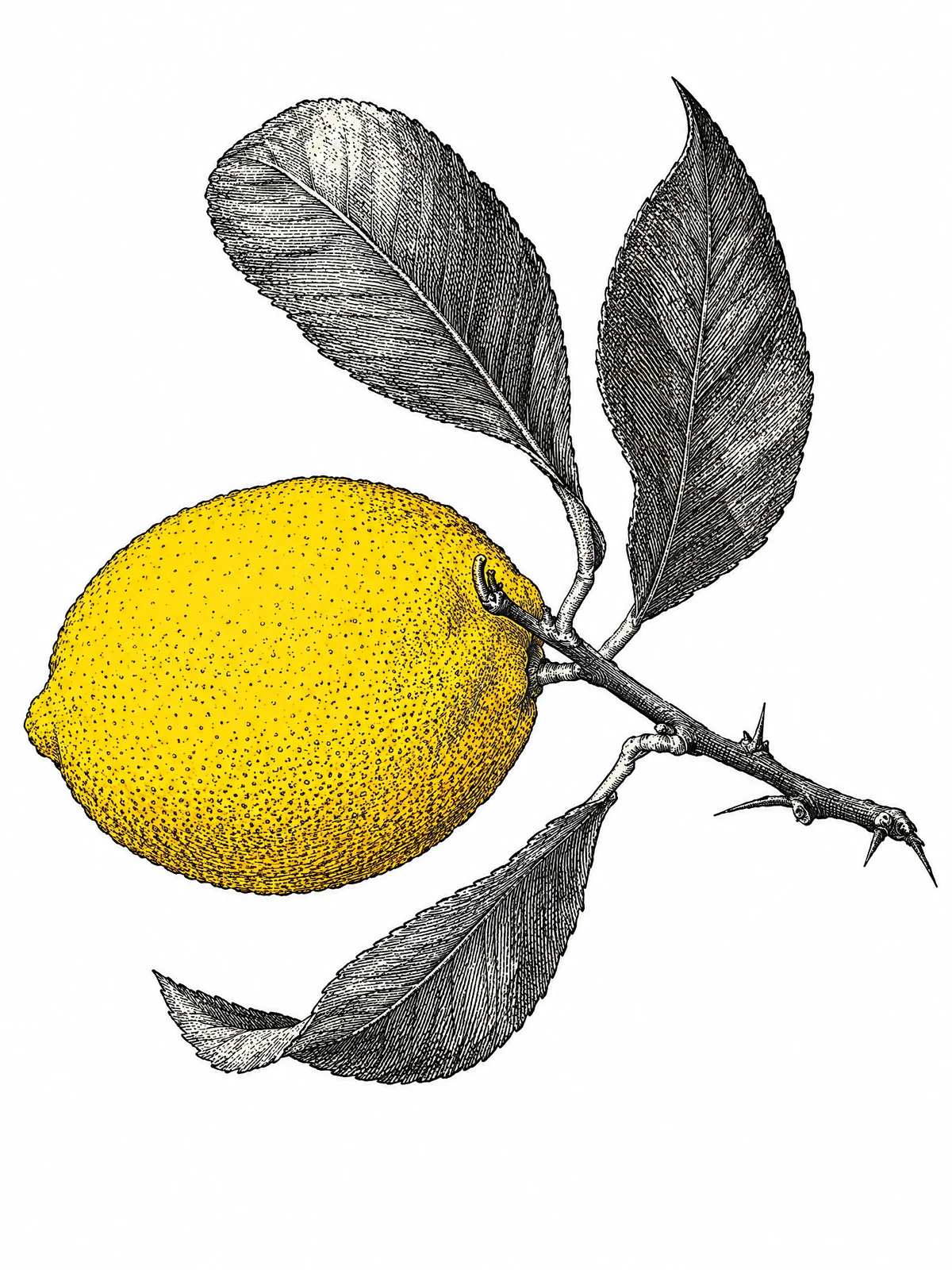
Citrus: fresh, sweet and peely, like orange and lemon peel.
Also in: Citrus peels, and many conifers and broadleaf trees such as pines, maples and aspens.
Strains that smell of citrus → - Myrcene
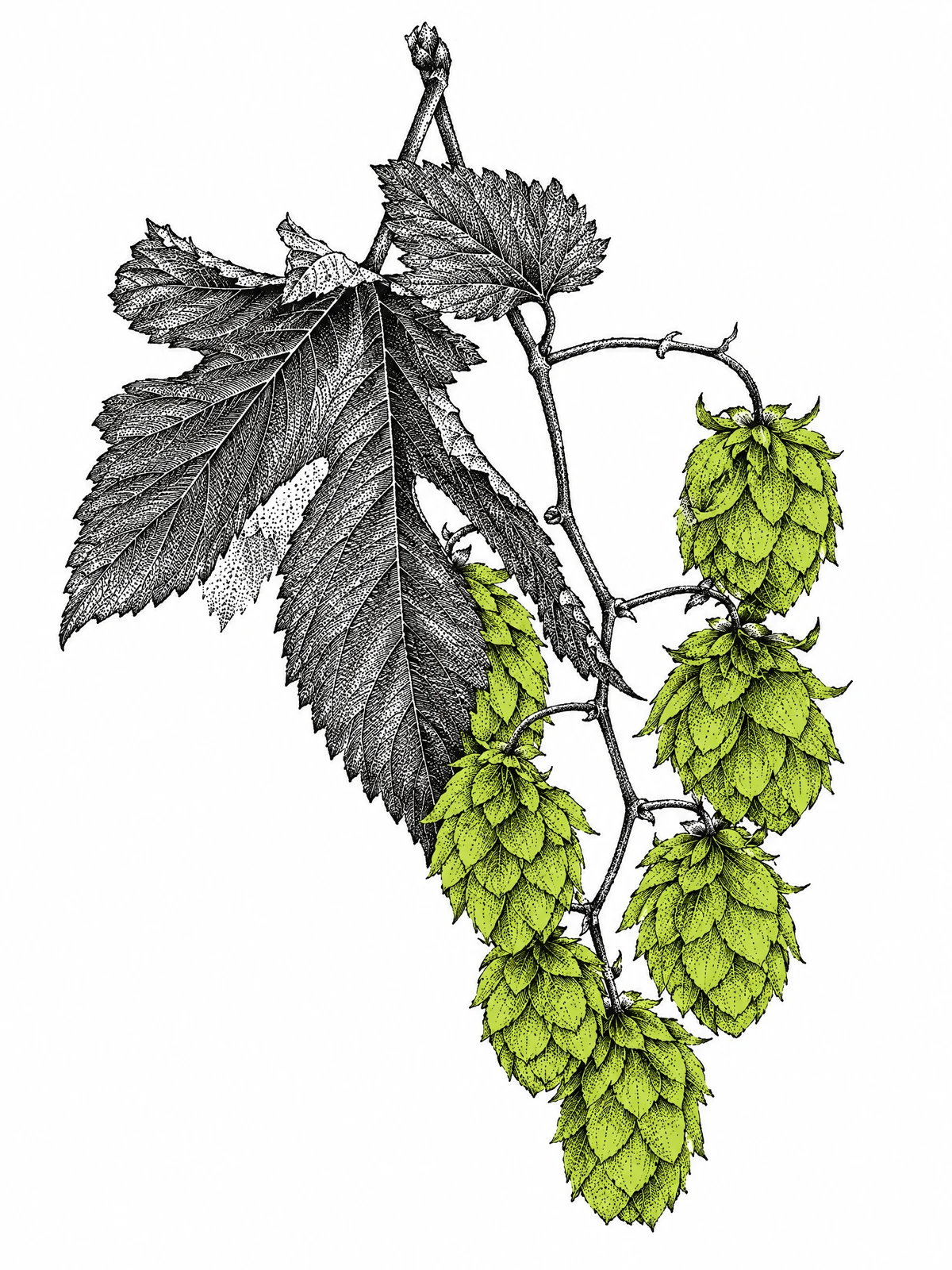
Earthy and musky, with a note of ripe fruit.
Also in: Hops.
Strains that smell of earthy → - Beta-caryophyllene
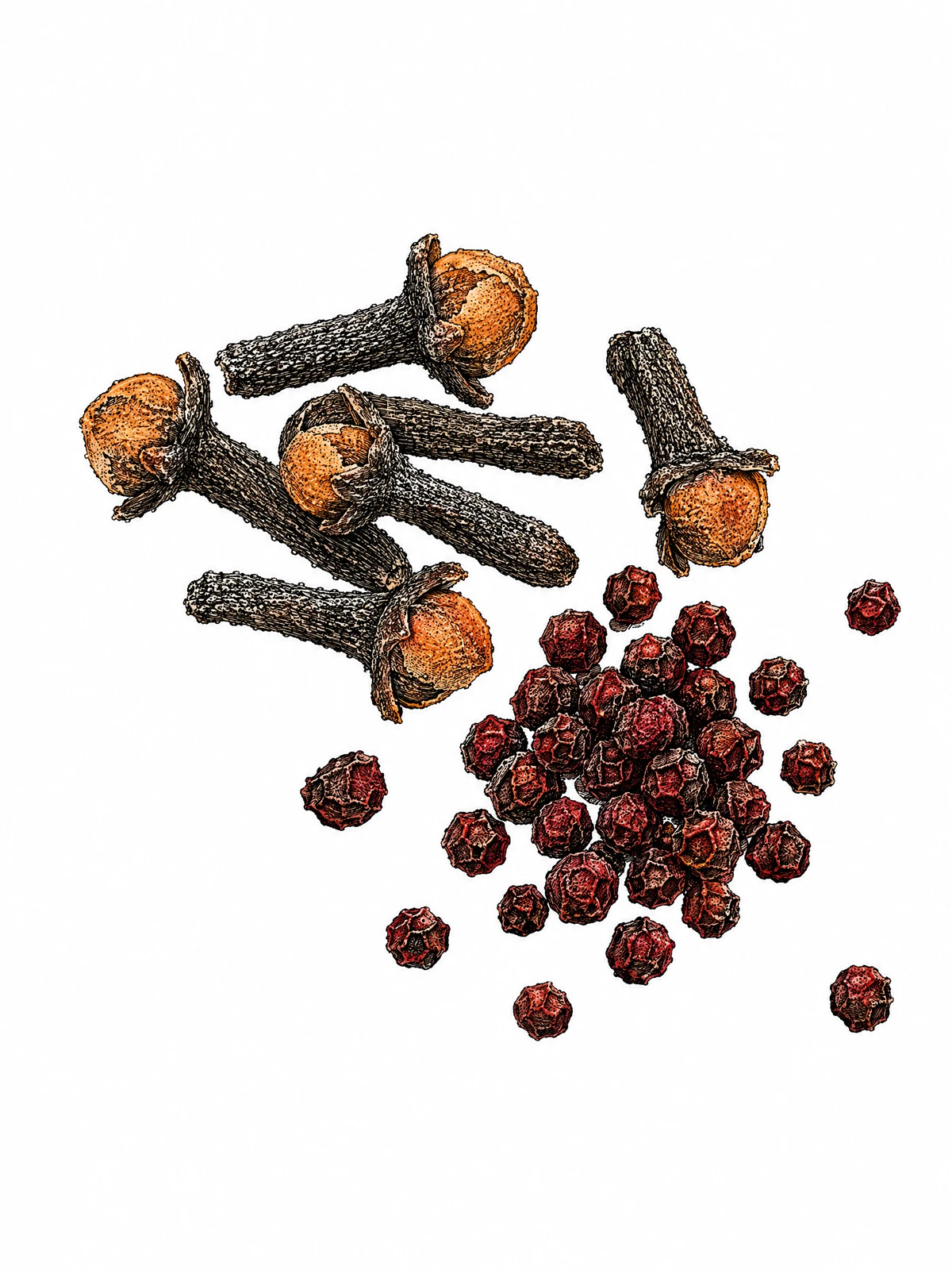
Pepper and spice.
Also in: Hops, where it contributes to the aroma together with humulene; it is also the compound usually named for the smell of black pepper and cloves.
Strains that smell of spicy → - Pinene
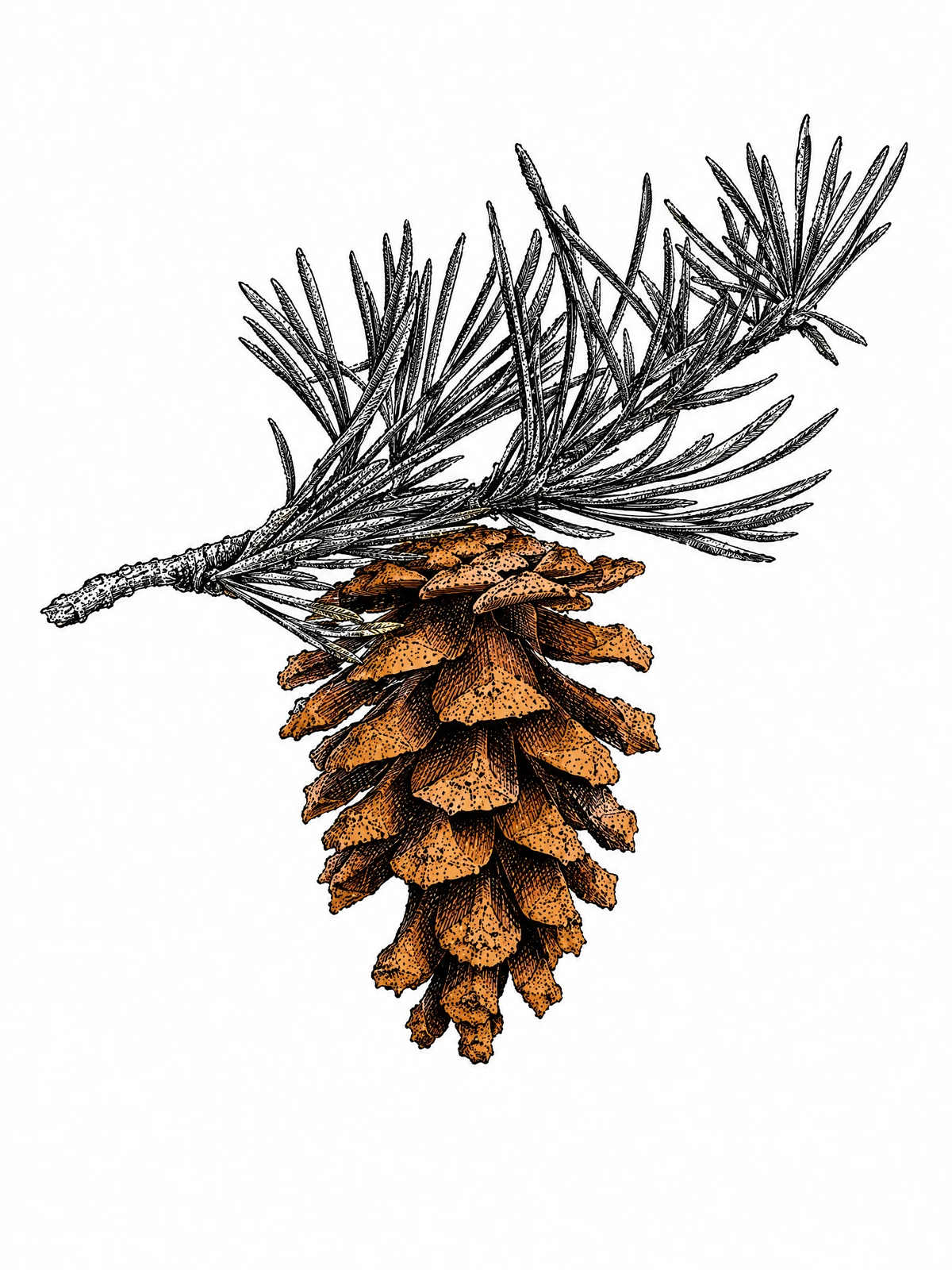
Pine needles and fresh resin.
Also in: Pine trees. It is a major constituent of turpentine, which is distilled from pine resin.
Strains that smell of pine → - Linalool
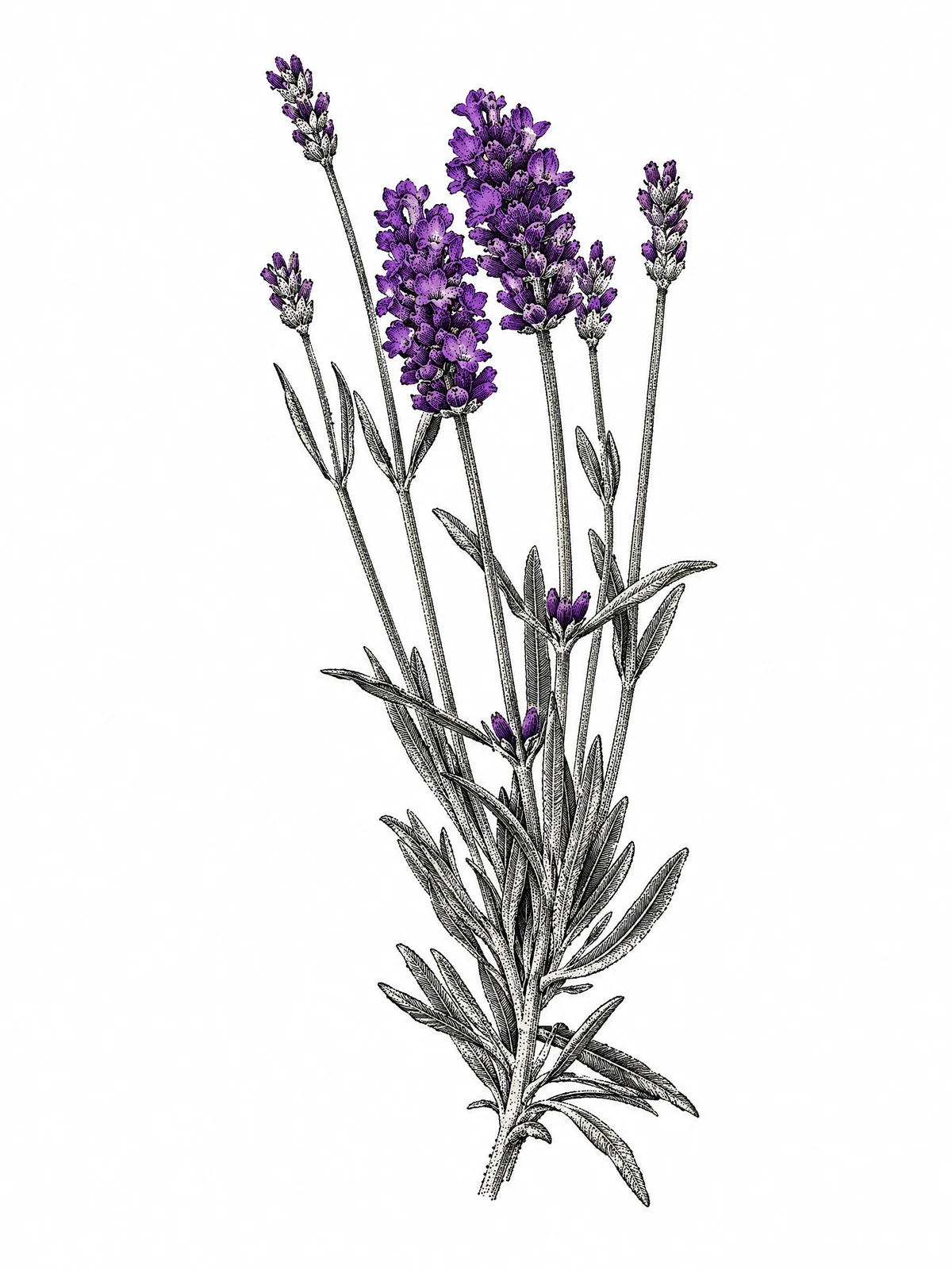
Floral, like lavender.
Also in: Lavender.
Strains that smell of floral → - Humulene
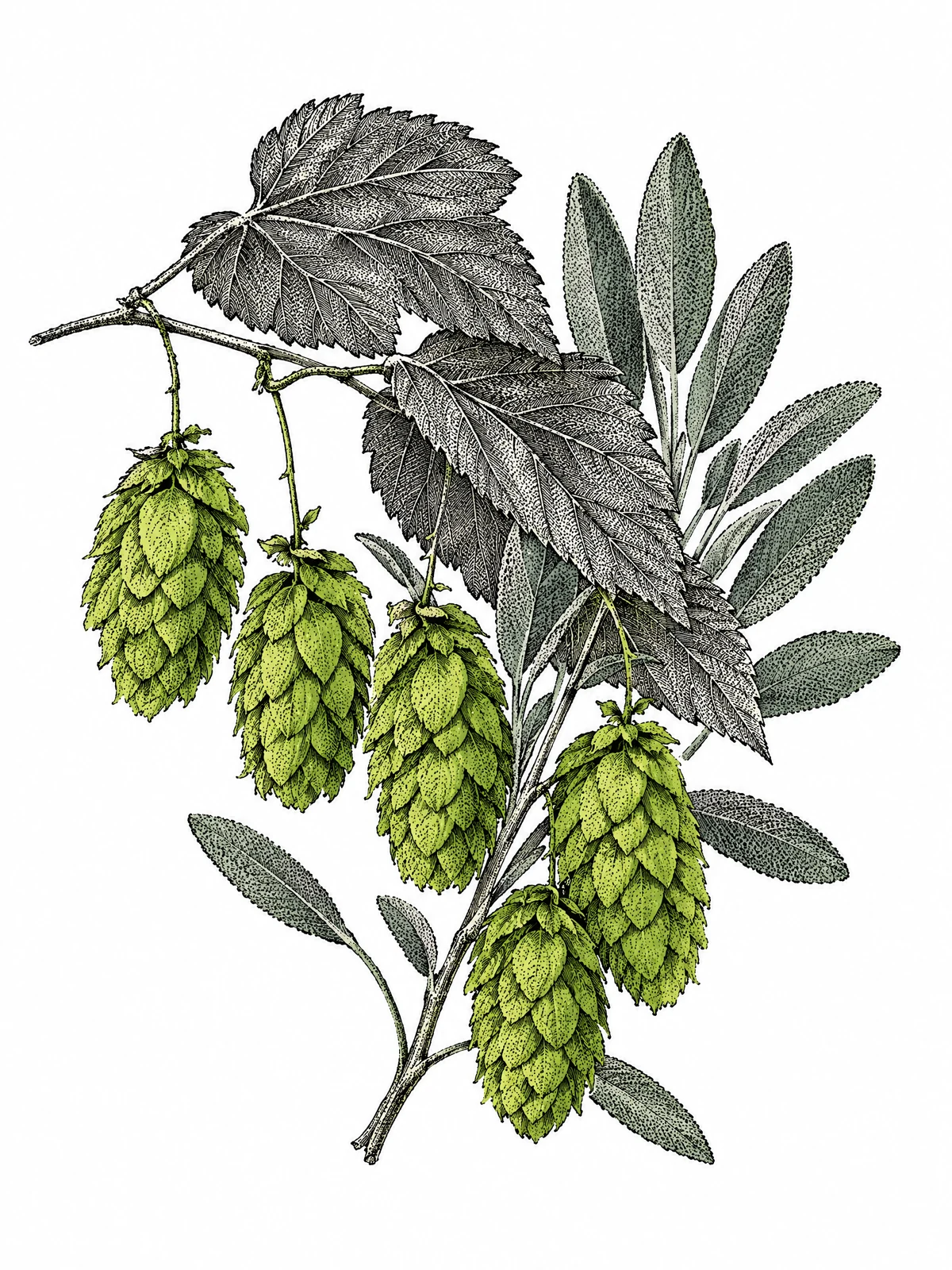
Woody and earthy, with the hoppy note you know from beer.
Also in: Hops, sage, ginseng and pine trees.
Strains that smell of woody → - Terpinolene
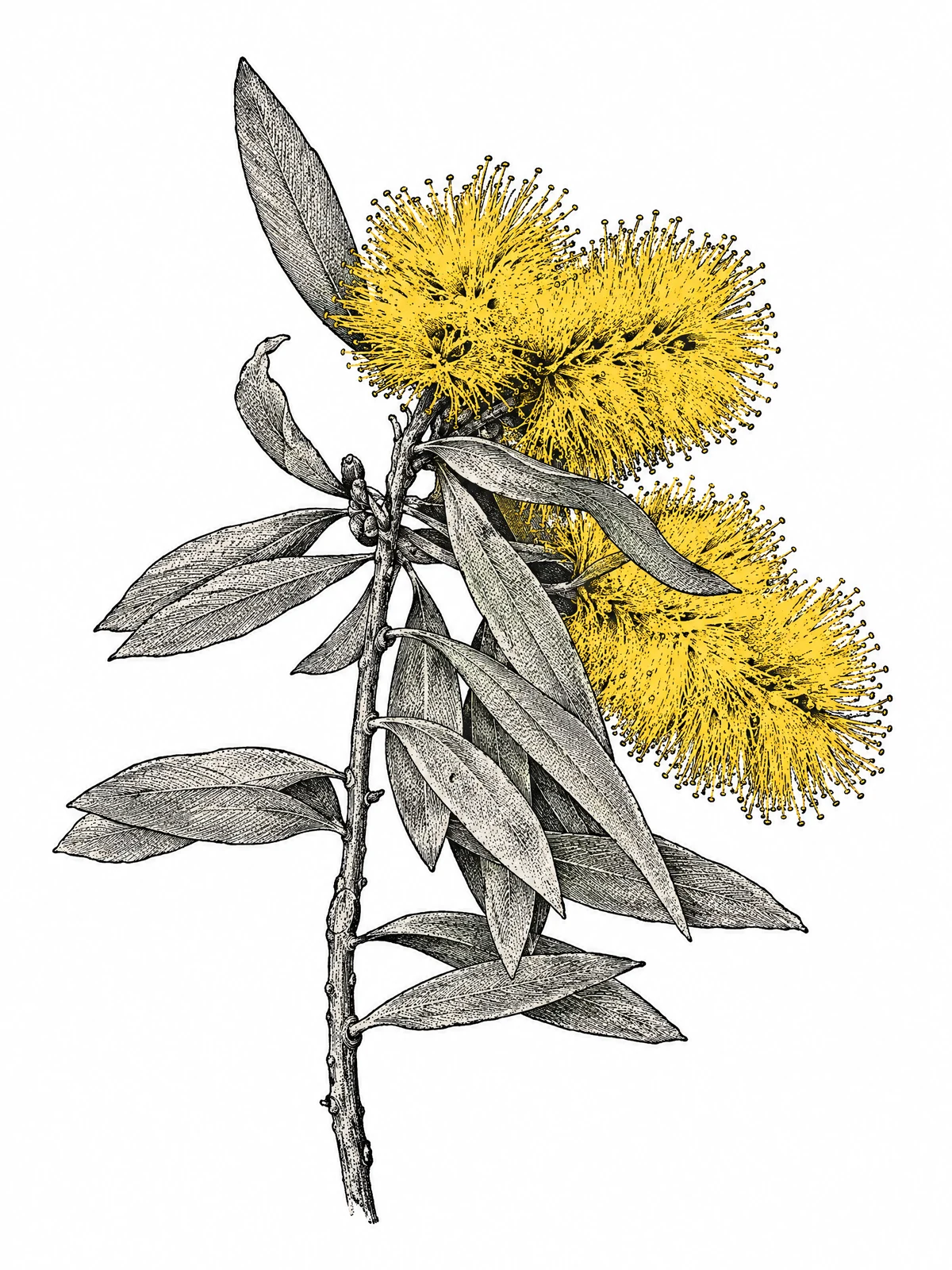
Fresh and herbal, a little piney. The group it belongs to has a turpentine-like note.
Also in: The related terpinenes are found in tea tree, cumin and coriander.
Strains that smell of pine → - Ocimene
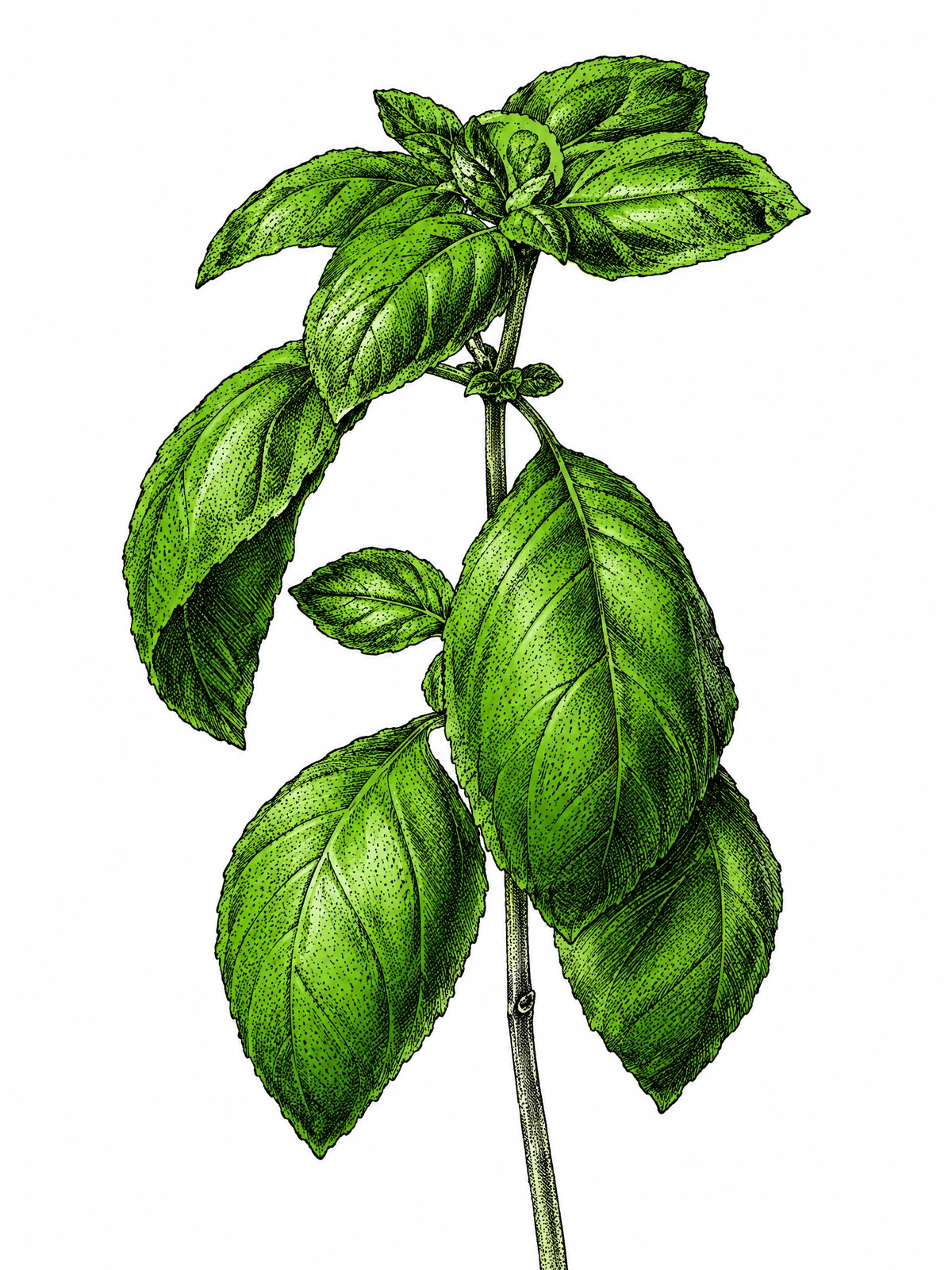
Sweet and herbal, a bit fruity.
Also in: A variety of plants and fruits, and basil.
Strains that smell of sweet → - Bisabolol
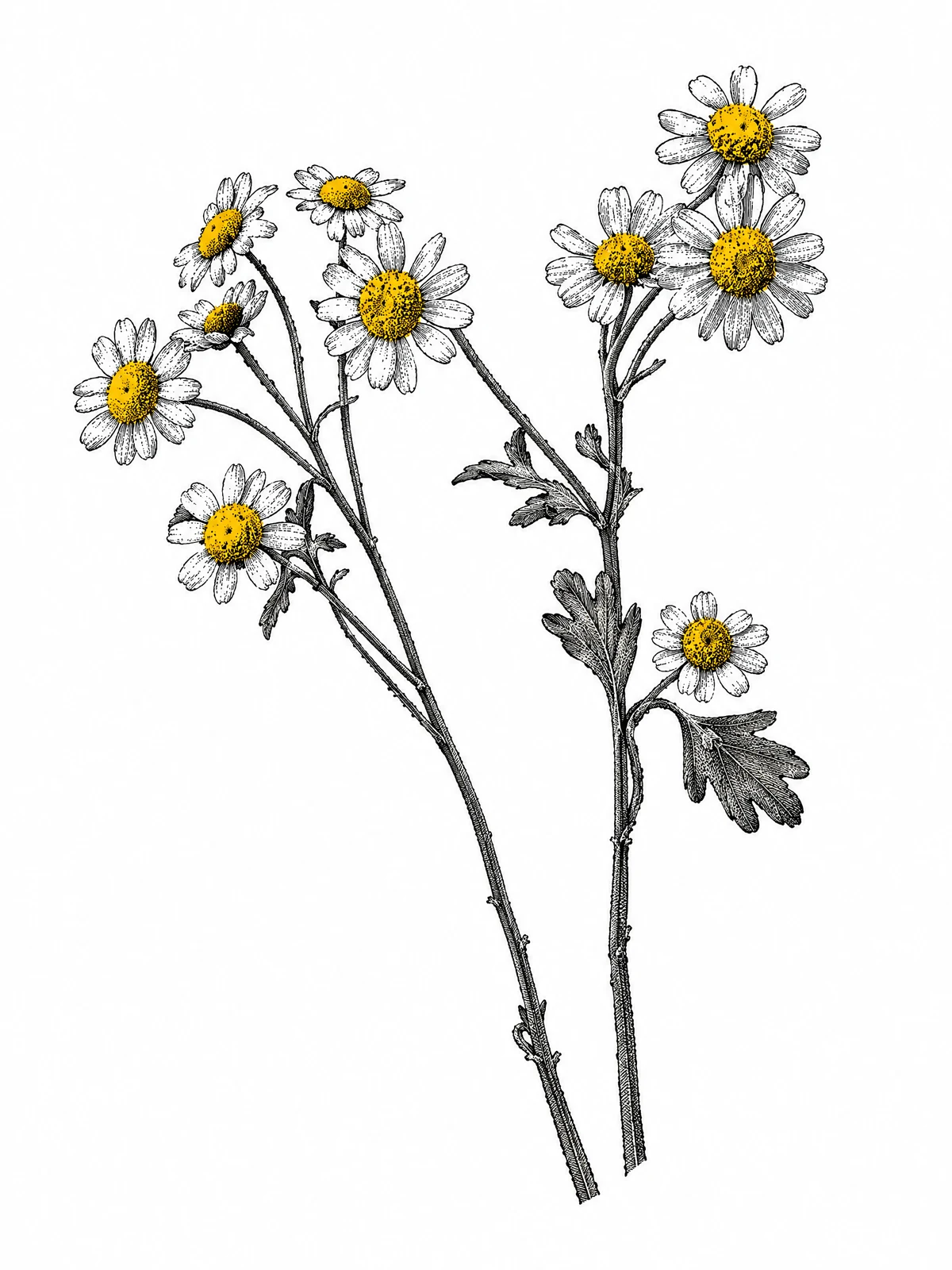
A weak, sweet floral smell with fruity, nutty and coconut notes. Isolated, it has been likened to apple, sugar and honey.
Also in: It is the main constituent of the oil of German chamomile, and it is found at high levels in some medicinal cannabis cultivars.
Strains that smell of floral → - Nerolidol
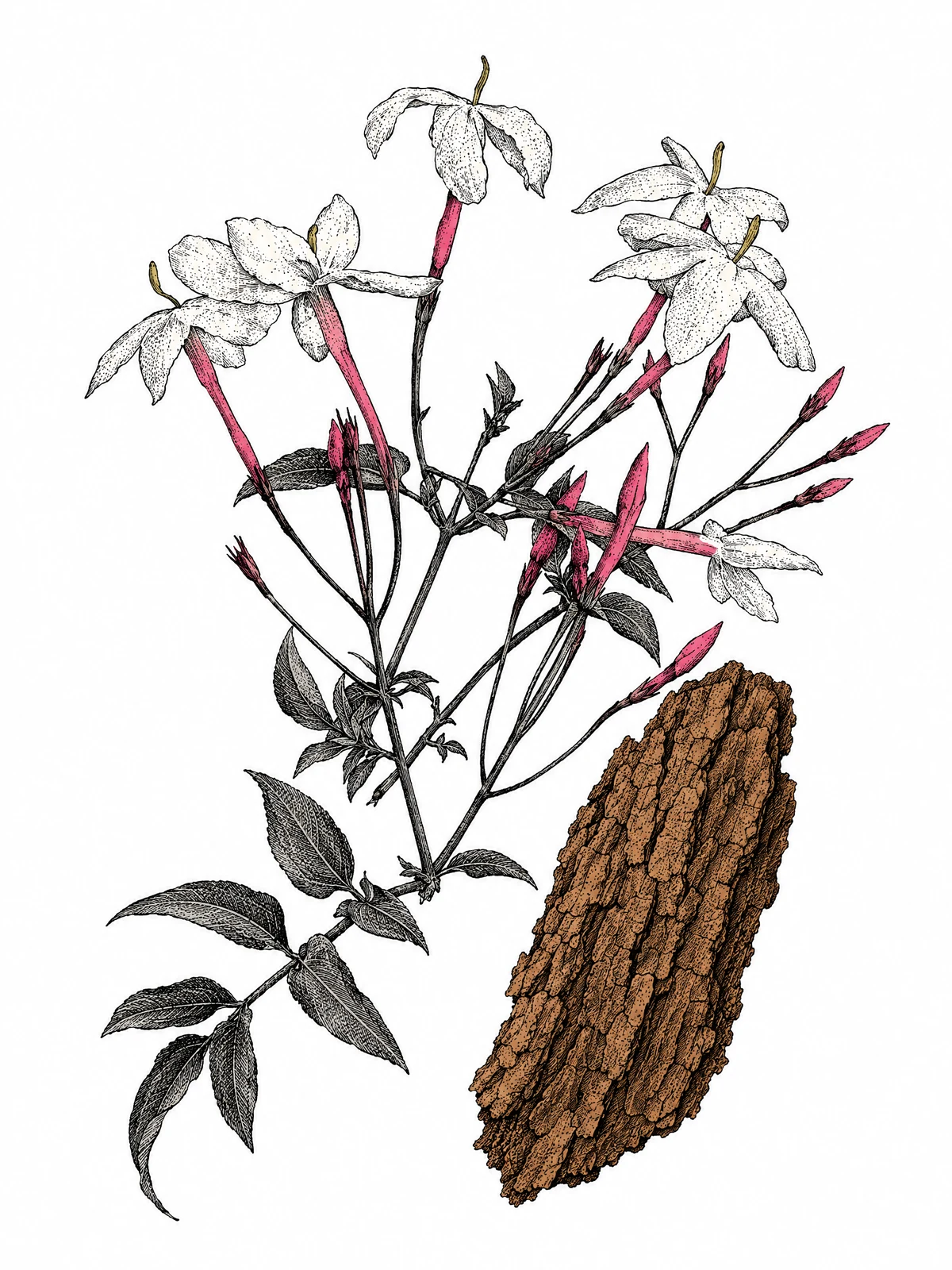
Woody, like fresh bark.
Also in: Neroli, ginger, jasmine, lavender, tea tree and lemongrass.
Strains that smell of woody → - Guaiol
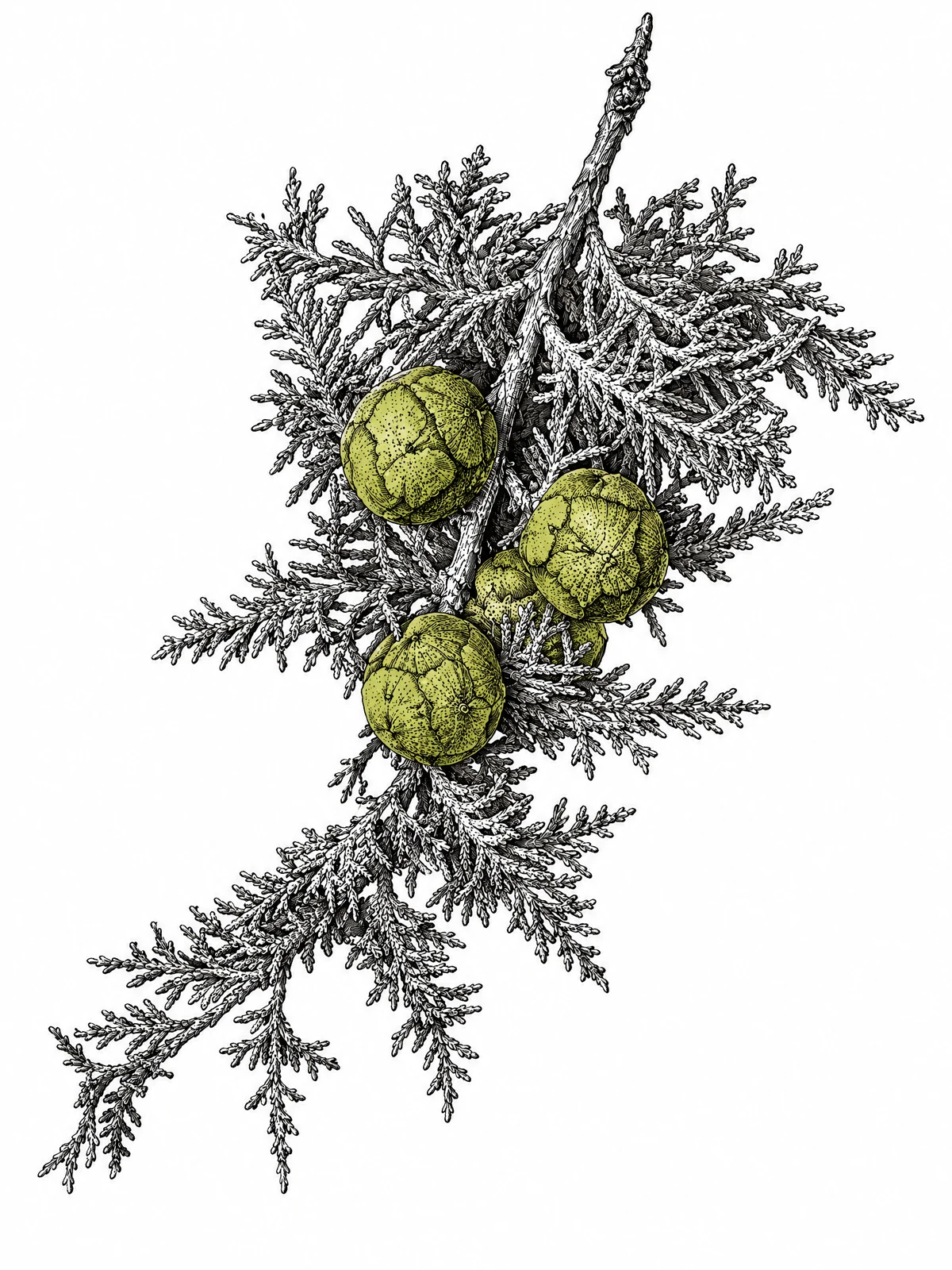
Our source does not describe its smell.
Also in: The oil of guaiacum and cypress pine. It is one of the many terpenes in cannabis flowers.
Strains that smell of pine → - Camphene
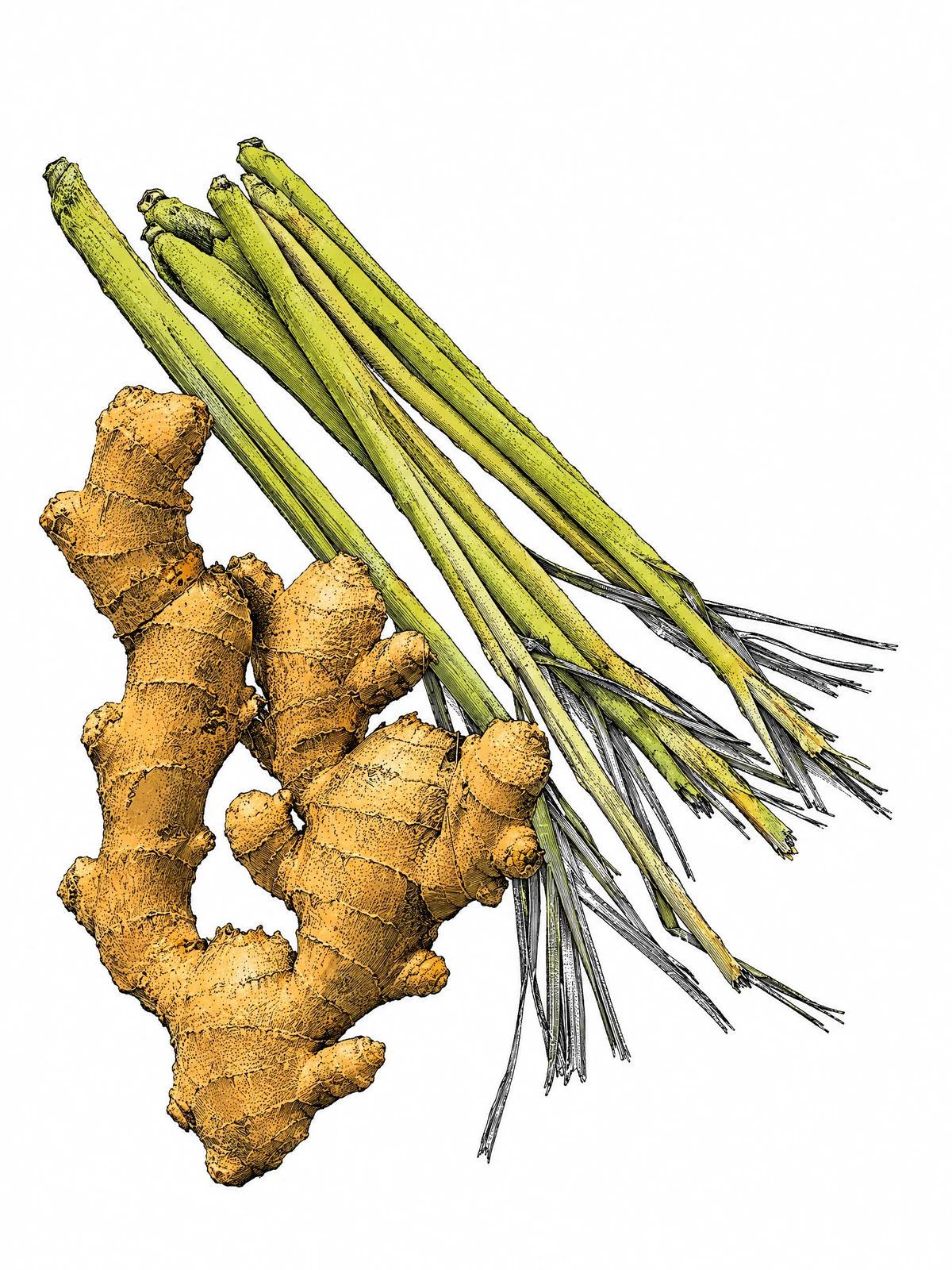
Pungent, with woody, herbal, camphor-like and minty notes.
Also in: A minor constituent of turpentine, cypress oil, camphor oil, citronella, neroli, ginger, valerian and mango.
Strains that smell of earthy → - Borneol
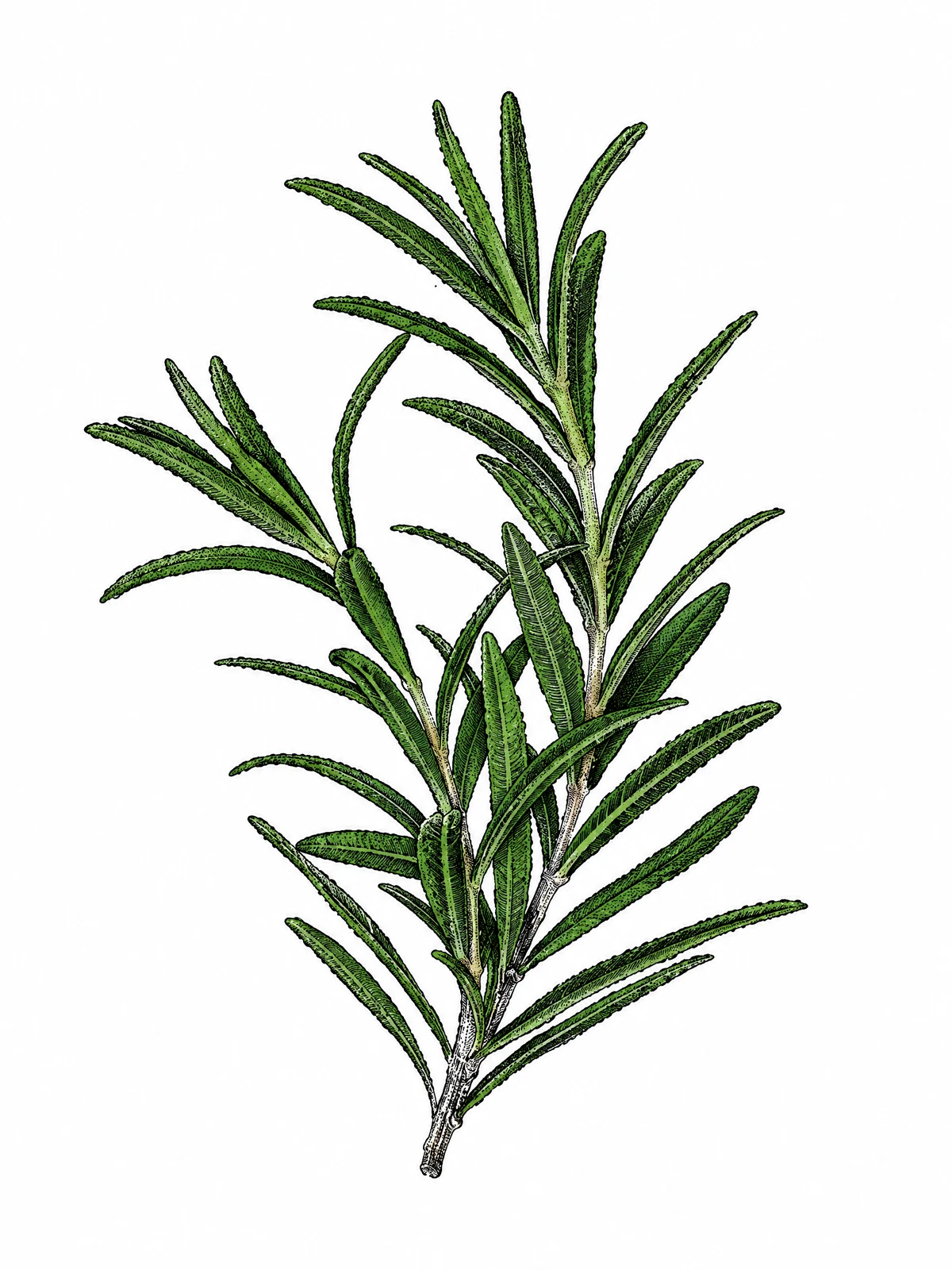
Pungent and camphor-like, with a cooling feel.
Also in: Rosemary, Artemisia, the Borneo camphor tree (Dryobalanops aromatica) and Blumea balsamifera.
Strains that smell of mint → - Geraniol

Rose-like: sweet, floral, fruity and waxy with a citrus edge.
Also in: The main component of citronella oil and of rose and palmarosa oils, with smaller amounts in geranium and lemon.
Strains that smell of floral → - Eucalyptol
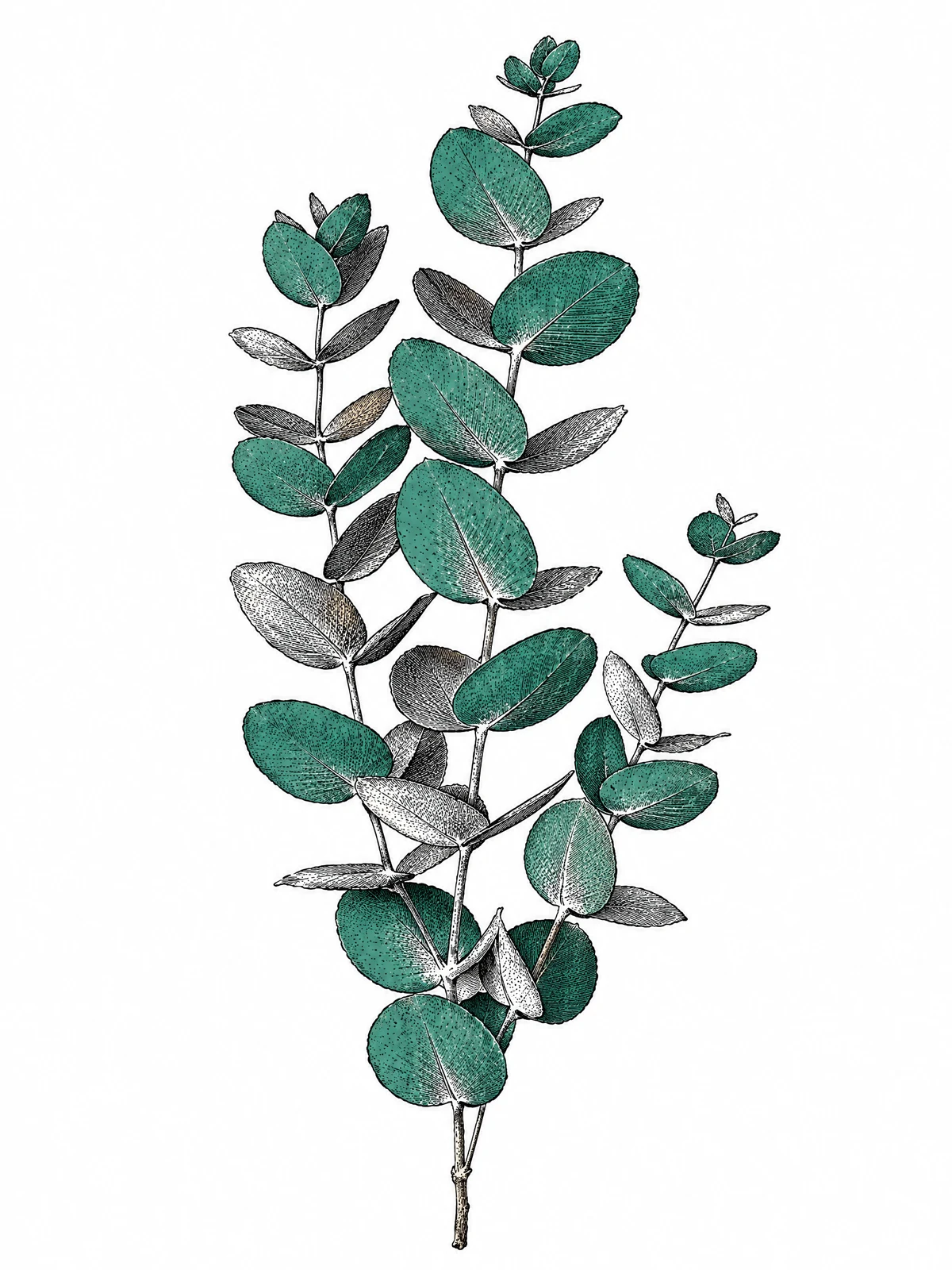
A fresh, camphor-like smell and a spicy, cooling taste.
Also in: Eucalyptus, rosemary, ginger, damiana and cannabis.
Strains that smell of mint → - Valencene
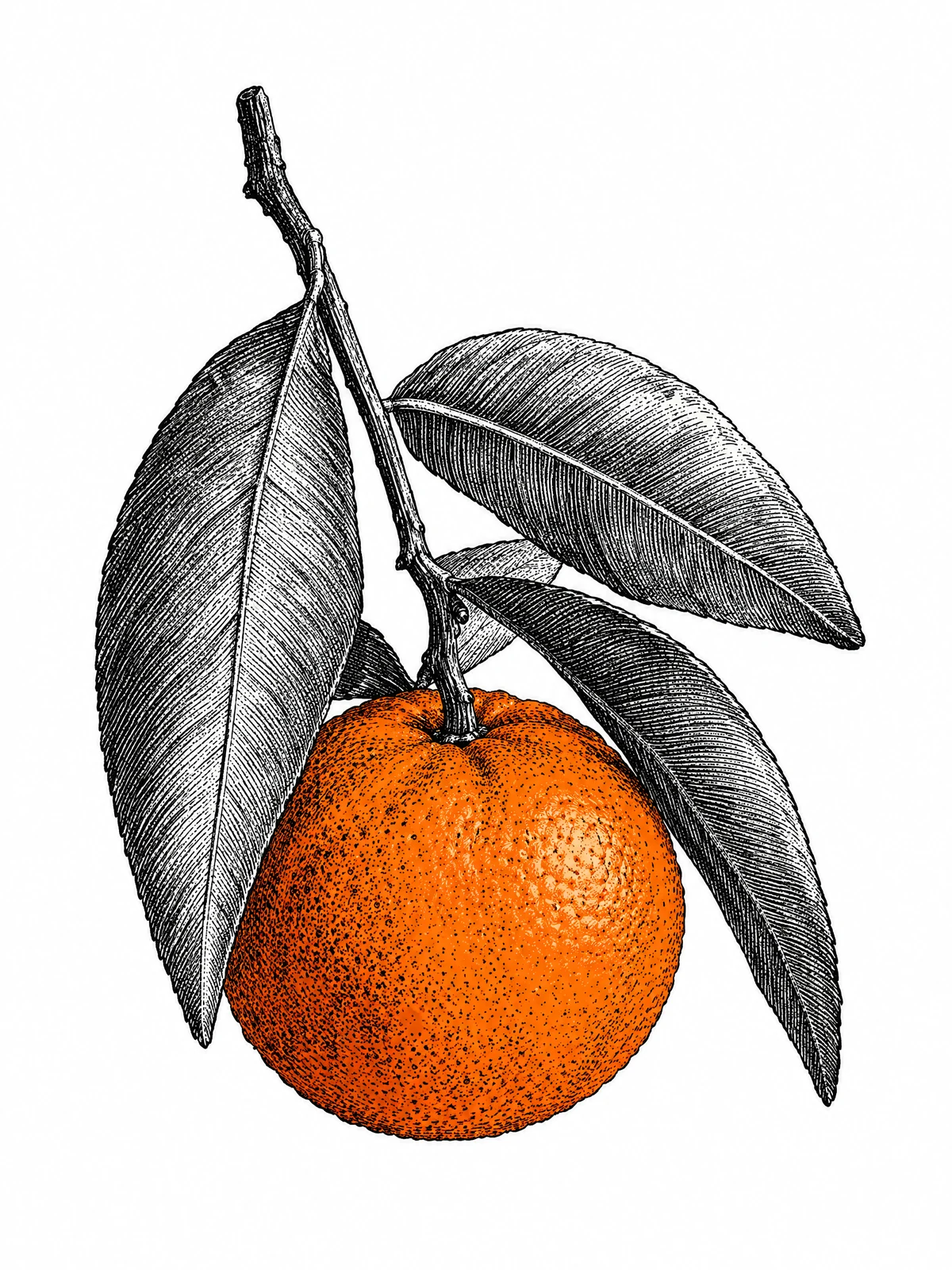
An aroma component of citrus fruit, sweet and orange-like.
Also in: Citrus. It is obtained from Valencia oranges.
Strains that smell of orange →
Why two jars of the same name smell different
Terpenes are volatile: they evaporate with warmth and time. How a plant was grown, when it was cut, how it was dried and cured and how long the jar has been open all change what reaches your nose. A fresh, well-kept jar and a tired one can smell like two different strains.
The name is a weaker guide than you would hope. Studies of commercial cannabis have found that strain names often do not match the genetics behind them, so a menu line is what the shop calls it. The best test is the oldest one: smell it, if the shop lets you.
What we say, and what we do not
We describe smell and flavour, and what people commonly report. We do not tell you that a terpene will help with anything, because that is not something a guide can promise, and the research on how terpenes and cannabinoids work together is still young. Where a database lists a strain's main terpenes, we say who measured them and on what: usually lab-tested products, which stand for the product tested and not for every jar with the same name.
How to use this in a coffeeshop
Ask for the smell you like. If you tend to like citrus, ask for something citrusy and smell your way from there. Look at the shop's own description, where there is one, and compare it with what we list. In our strain directory you can search by smell as well as by name: type 'citrus', 'pine' or 'earthy' and it shows the strains whose write-ups describe that smell. Only strains with a write-up carry smell tags, so the list grows as the database does.
Questions people ask
- Do terpenes get you high?
- No. THC is the compound behind the high. Terpenes are mainly smell and flavour, and how far they colour the experience is still being studied. We do not claim more than that.
- Are terpenes only in cannabis?
- No. They are in citrus peel, pine needles, hops, lavender, pepper and a great many other plants. Limonene, for example, is found in citrus fruits and pinene in pine trees.
- Which terpenes are the most common in cannabis?
- Lab data often lists myrcene, caryophyllene and limonene among the main ones. In the one profile in our database that carries lab figures, Gelato #41, a database reports caryophyllene as the leading terpene, then myrcene and limonene.
- Why does the same strain smell different in different shops?
- Growing, drying, curing, storage and the age of the jar all change the terpenes. And the same name can be sold for different plants. Smelling it before you buy tells you more than the label.
Sources (3)
+−
We read each page one at a time and wrote this in our own words. Tier 1 is the breeder or an official body speaking about its own product or rule; tier 3 is an encyclopedia, database or magazine. Where a tier 3 page is the only source, we say so.
- Wikipedia: Terpene
Encyclopedia, tier 3. What terpenes are, where they occur (citrus, pine, hops, lavender), their volatility and their role in plants.
- Booth, Page and Bohlmann (2017): Terpene synthases from Cannabis sativa, PLOS ONE
Peer-reviewed. We saw its abstract in search results: it links the plant's terpene enzymes to major resin compounds such as myrcene and caryophyllene.
- Leafly: Bacio Gelato
Database, tier 3. The terpene ranking quoted for Gelato #41 comes from lab-tested products.